The Two-Hour Rule No Longer Stands

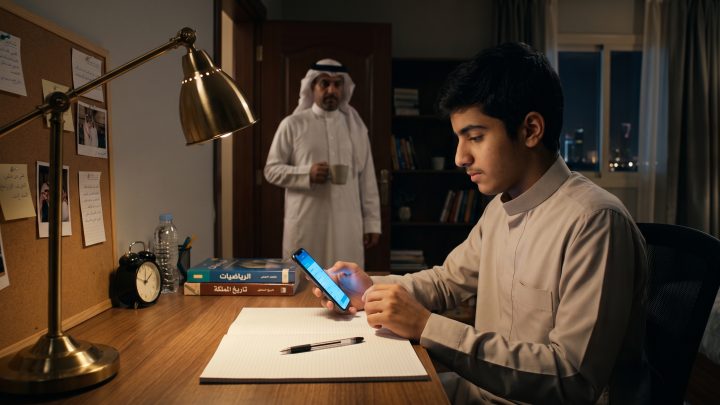
On an evening no different from any other, a father opens the settings on his son’s phone to look at the daily screen time report, and stops at the number: three hours and forty minutes. Something like guilt touches him, so he resolves to be stricter next week. Then the week passes, the number comes back almost unchanged, and the same feeling comes back with it.
This is a cycle thousands of parents live through, and it all turns on a single number we inherited from 2016: two hours. The trouble is that this number no longer carries the meaning we had been loading onto it.
A New Statement Replaces the Old One
In January 2026, the American Academy of Pediatrics issued a new statement titled “Digital Systems, Children, and Adolescents,” replacing the 2016 recommendations from which the two-hour rule was born.
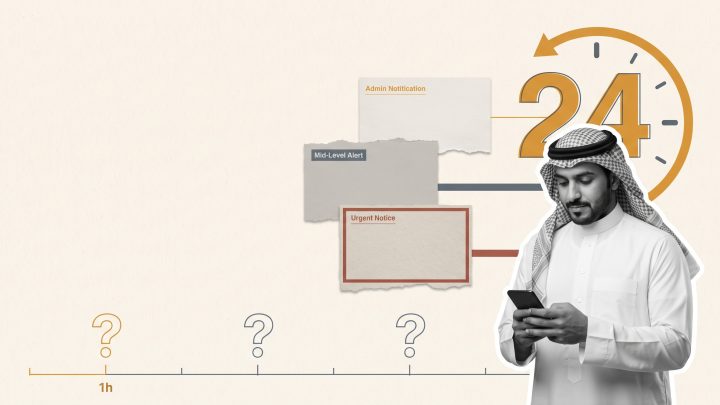
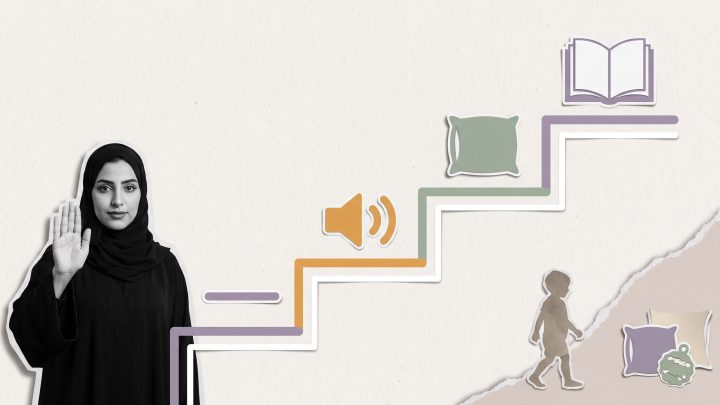
Care is needed here, because some websites passed the news along in broader terms than it can bear. The statement did not abolish the numbers; it demoted them from the status of a rule to the status of guidance. What we have now is a flexible range that varies with age: under an hour a day for preschoolers, and one to two hours a day or more for school-age children depending on context. Two considerations come ahead of that range: the quality of what is being watched, and the priority of sleep, play, movement, and reading.
With that, the unit of measurement moved from the hour to the rest of the day.
Why the Number Was Abandoned
One of the statement’s authors, Dr. Libby Milkovich, says the old recommendations had become “nearly impossible” for parents, and she is right. On the day the two-hour rule was written, the screen was a single device in the living room. Today it is in the classroom, the restaurant, the airplane, and the homework itself.
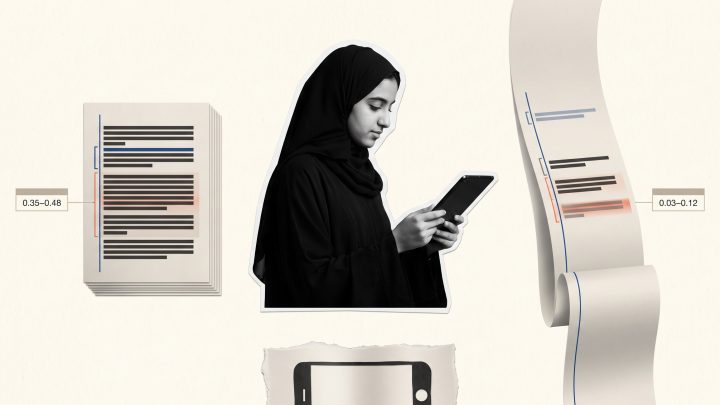
Then there is the fact that the counter does not distinguish between an hour a child spends in an educational app with his brother and an hour he spends alone scrolling endlessly before bed. The number is the same and the effect is entirely different, and that alone is enough to cast doubt on its validity as a measure.
There is a second reason, less often mentioned: the numeric rule placed on the family alone the responsibility for an environment designed by companies that live off capturing attention. That is why the new statement aimed a large share of its demands at the platforms themselves, calling on them for privacy that is safe by default for minors, and for limits on collecting their data and on advertising targeted at them.
The Picture in Our Own Homes
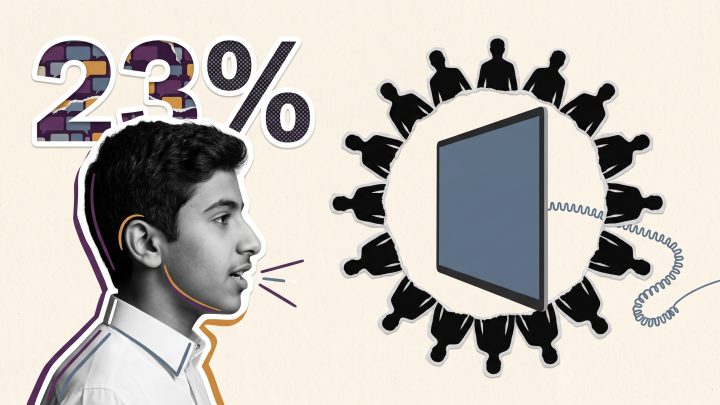
In a Saudi study published in 2025 covering 324 children between the ages of three and eighteen in the Eastern Province, 29% were found to exceed five hours a day on school days, with the figure rising to 38% during holidays. The children who exceeded five hours scored higher on the SNAP-IV scale for symptoms of hyperactivity and inattention.
Before this is made to carry more than it can bear: the relationship here is correlational, not causal. We cannot say that screens caused the inattention, and it is entirely possible that the more distractible child was the one more drawn to them to begin with. Still, the numbers hold a more important detail worth pausing on: the chaos happens during the holidays, not on school days, which indicates that the shortfall lies in the schedule, not in the restrictions.
A Written Plan Instead of a Count
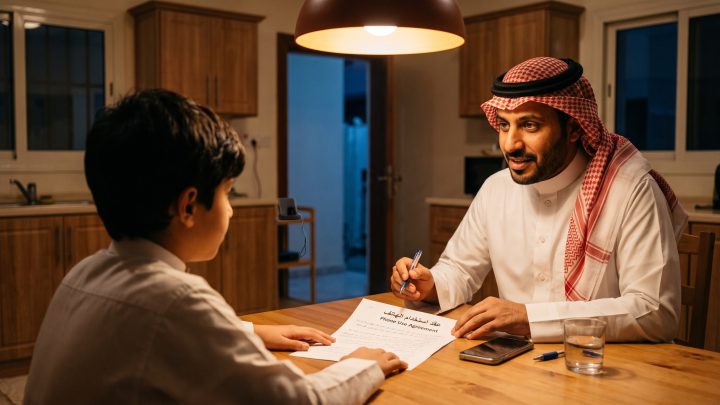
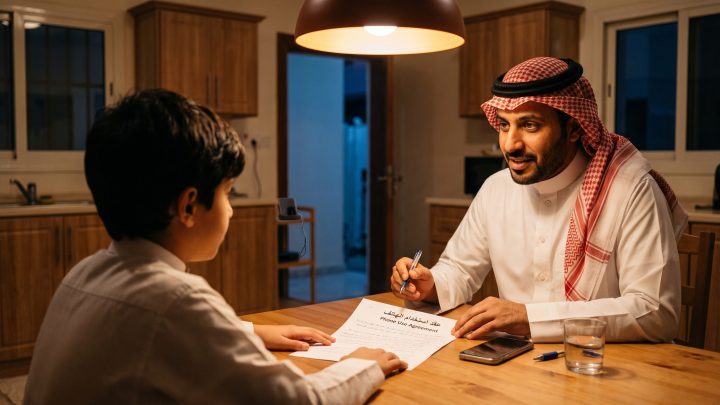
The first suggestion is the simplest: write a plan instead of announcing a rule. A spoken rule gets renegotiated every evening; a page hanging on the refrigerator is not open to negotiation. A single page is enough, one that sets out when devices are used, where they are never used, when their use ends at night, and what happens when the limit is crossed. It is best to involve your child in writing it, because a child who helped set the rule argues about it far less.
Then replace the question “how many hours?” with another: what is this time crowding out? If your child sleeps nine hours, moves, reads, and sits with the family at dinner, then two and a half hours is not a problem. If sleep is the price, one hour is too much.
And there are three small habits whose effect is greater than it appears. The first is that the device be shared and kept in an open space, not a personal device in a closed room. The second is that meals be device-free, for the adults before the children, because a child reads his father’s exception as an announcement that the rule rests on authority rather than on health. The third is that a parent sit for ten minutes a week watching alongside their son or daughter and ask about the character they like and why. Those ten minutes will tell a parent more about their child’s digital life than any report in the settings.
Every Age Has Its Own Way In
From three to five, co-viewing is the rule rather than the exception, sessions are short and spread out, and the hour before bed is free of screens.
From six to eight, the habit that will govern the next decade is being built, and here attention to place and time matters more than attention to duration: no devices in the bedroom, and no devices after a set hour.
From nine to eleven, negotiation begins and the moment of the first phone draws near. It is wise to shift the conversation gradually from “not allowed” to “why,” because a child who never understood the reason will work around the rule the day he owns a device of his own.
One Last Question Worth Asking
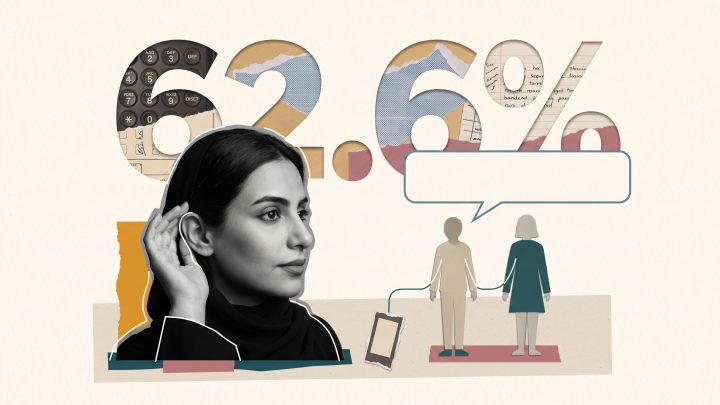
The new statement contains a point rarely carried over into Arabic-language content: if use begins to harm sleep, schoolwork, or relationships, what is called for is tightening the limits and asking about the motives, together. The child who escapes into a screen for ten hours is often escaping boredom, or isolation, or an undiagnosed learning difficulty, or anxiety. This is why the statement recommends screening for possible ADHD or depression in these cases, rather than confiscating the device and leaving it at that.
Confiscation ends the visible behavior and leaves its cause in place.
So begin with a single page this week. And once a parent is done with it, let the question shift from “how many hours?” to: did he sleep? Did he move? Did we sit together?