Silent Subscriptions

Ask yourself right now, without opening any app: How much do you pay each month for your digital subscriptions? Keep that number in mind, and we’ll come back to it shortly.
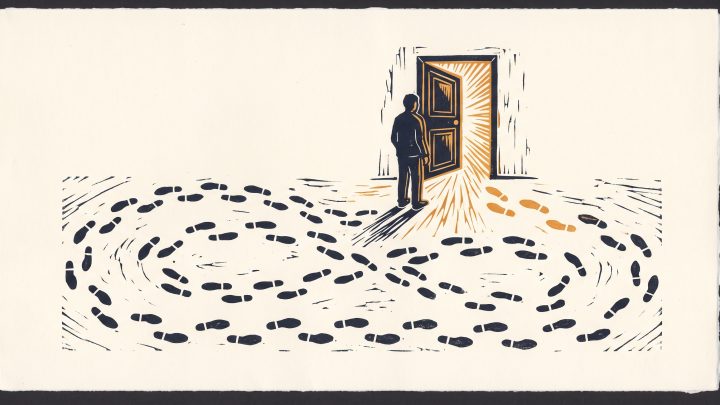
A subscription usually begins with a small decision: a free trial, a temporary need for a project, or a service recommended by a colleague. Then it turns into something else: a fixed line item you never consciously notice, because auto-renewal removed the moment of decision.
What does the research say?
In an economic study that analyzed data from a large payment network across 10 subscription services, researchers estimated that cancellation frictions—subscribers continuing to pay for a service they no longer care about—nearly double seller revenue on average, compared to a hypothetical scenario where consumers are fully attentive and cancel as soon as their need ends. The increase varies widely from one service to another: from 14% to more than 200%.
The clearest finding in the study is what happens when a payment card is replaced. When a card expires and the subscriber is asked to update their details—forced to make an active decision—cancellation rates spike sharply. In one of the 10 services, the seller lost more than 30% of its subscribers in that month alone. The service hadn’t changed, the price hadn’t changed, and the value hadn’t changed; what changed was that staying subscribed no longer happened automatically.
And the number you kept in mind? It’s most likely too low—which is what repeated consumer surveys indicate: people underestimate their monthly spending on subscriptions by a noticeable margin.
Why do we lose track of this?
Because the mind stores events, not patterns. You remember buying an expensive device, but you don’t remember a small monthly charge repeated 30 times. And because subscriptions are scattered across different dates and categories, they never show up together in one place.
Annual subscriptions are harder: they go through once, then disappear from memory entirely for 11 months.
The 20-minute review
Start with your statements, not your memory. Open your bank and card statements for the past three months and flag every recurring charge, then review the past 12 months looking for annual renewals alone. Memory will give you half the list at best.
Next, write them down in a single list with the renewal date for each item. Seeing everything gathered in one place is half the solution, because the whole problem is that these charges never meet in one place.
Then ask three questions about each item: Did I use it last month? Do I already pay for an alternative? And if the subscription were canceled today, would I sign up again at the same price? That third question is decisive, because it puts you back in the shoes of someone who hasn’t subscribed yet.
Look for household overlap: in many homes, there are two subscriptions to the same service, or individual plans where a single family plan would suffice.
Finally, turn renewal into a decision. Set a calendar reminder three days before every annual renewal—which is essentially the opt-in version of the “card replacement” effect shown in the study. Then lock in two dates a year to review the entire list; once every six months is enough.
Not a call for austerity
The goal isn’t to cancel everything. Some subscriptions are worth more than what you pay for them. The goal is for every riyal to be spent by choice, not by inattention. The difference between the two is psychological before it’s financial: money spent deliberately doesn’t trigger that slight irritation that comes with discovering a charge for a forgotten service.
As with our other finance articles, this is general educational content, not personalized financial advice.
Your step today
Open your banking app right now, scroll through last month’s transactions, and write down every recurring charge. Compare the total to the number you guessed at the beginning of the article. This comparison alone is enough to change your behavior in the months ahead.