
Boredom Isn’t a Glitch
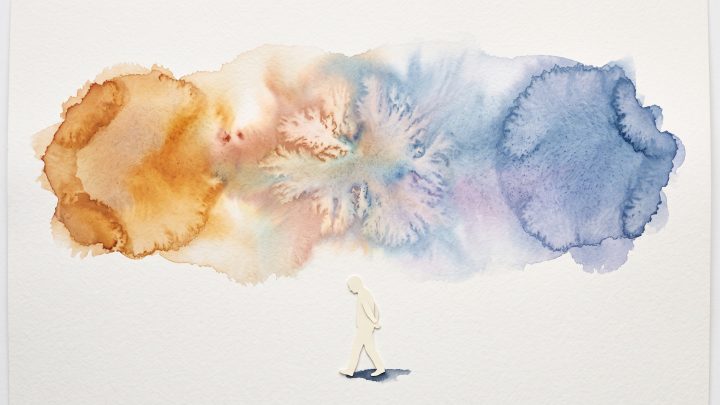
Think back to when your last good idea came to you. Most likely, it didn’t happen while you were sitting in front of a blank document trying to think, but on the commute home, in the shower, or while washing the dishes. This isn’t a coincidence, nor is it just a punchline about poorly timed inspiration. It has an explanation.
The experiments
In a series of experiments, participants were asked to complete a deliberately boring task—copying telephone numbers from a directory—before moving to a creative task: coming up with unusual uses for a pair of cups. The researchers found that the boring activities led to an increase in creative output, compared with participants who hadn’t done them.
In another experiment, participants first worked on divergent thinking problems, then spent the interval between rounds on an easy, undemanding task, a demanding mental task, or complete rest, or had no break at all, before returning to the problems. The group that performed the easy task achieved the greatest improvement in creative performance—and that improvement was linked to the amount of mind wandering during the break.
Here’s a detail that often gets lost when this study is retold, and it’s the most important part: the improvement appeared only on the problems participants had already worked on before the break, not on new problems presented to them afterward. That is, mind wandering doesn’t generate ideas out of thin air; it works on what you’ve already wrestled with.
So the fine point is twofold: it’s neither complete rest nor heavy mental effort, but light activity that leaves the mind free to wander—after you’ve given it material to wander around.
Why does mind wandering work?
Because solving complex problems requires connecting things that don’t seem related. When you focus intensely, you narrow your search to what you already know. But when the mind wanders, it travels across distant regions of memory, sparking that happy accident we call an idea.
This also explains the familiar frustration: the longer you sit there trying to think, the narrower your ideas become.
Scrolling isn’t boredom
Here’s the most important practical misconception. When boredom strikes, the solution most of us reach for within two seconds is opening our phones. The result is that the mind never wanders—instead, it shifts into a rapid stream of ready-made stimuli.
Scrolling kills the feeling of boredom while wiping out the single benefit it carries. You didn’t give your brain space; you gave it a new job.
Four practical spaces
Commute without headphones. Ten minutes on the road, with no podcasts and no music. You’ll feel the emptiness in the first few days, and that’s precisely the point.
A simple manual task. Walking, tidying up, or cooking. Hands engaged, mind free—which is exactly the “easy task” from the experiment.
A break after tackling the problem, not before. This rule comes straight from the experiment: mind wandering works on problems you’ve actually grappled with. Sitting with the problem for twenty minutes, then going for a walk, works far better than doing it the other way around.
A capture method at the ready. Ideas arrive and vanish quickly. A voice note or a slip of paper in your pocket is enough.
When is boredom a different signal?
There’s a difference between empty space you choose and chronic boredom in a job that offers neither challenge nor meaning. The first is a resource; the second is a sign that the role itself requires a conversation: different tasks, or more room to make decisions. And if the feeling of emptiness persists and is accompanied by low mood for weeks, that’s a matter worth discussing with a specialist, rather than scheduling a creative break.
Your step today
Spend twenty minutes this morning working on a single question on your mind at work, then leave one transition in your day—the commute or a post-lunch walk—completely free of content: no phone, no headphones. Just ten minutes. Don’t try to think about the question; you’ve already given it what it needs, so let it work in the background while you walk.