Practical Steps to Teach Your Child How to Build Lasting Friendships
Do you want to know how your child can become well-liked among their peers and build genuine, lasting friendships? Many children have the desire to connect, yet they lack the behavioral and psychological tools required to do so. For a child, friendship is not merely playtime; it is a foundational space where they learn the core values of cooperation and empathy, which ultimately shape their future personality. Providing clear, practical steps simplifies the parents’ supporting role and equips the child with the confidence to navigate social situations with stability and awareness.
The Importance of Friendship in a Child’s Life
Friendships form an essential pillar of a child’s social and psychological well-being. A friend is a companion in play, a confidant in times of distress, and a vital shield against feelings of loneliness or isolation.
Acquiring friendship-building skills during these formative years boosts self-esteem and provides children with a safe mirror for self-discovery. A child who successfully builds healthy relationships is typically more balanced and adaptable in both school and society. This highlights why parents must realize that friendship is not a luxury, but a developmental necessity. By helping your child understand the value of peer connections, you give them a powerful tool for self-expression and prepare them to develop greater psychological resilience to navigate life’s challenges.
Teaching Your Child Active Listening Skills
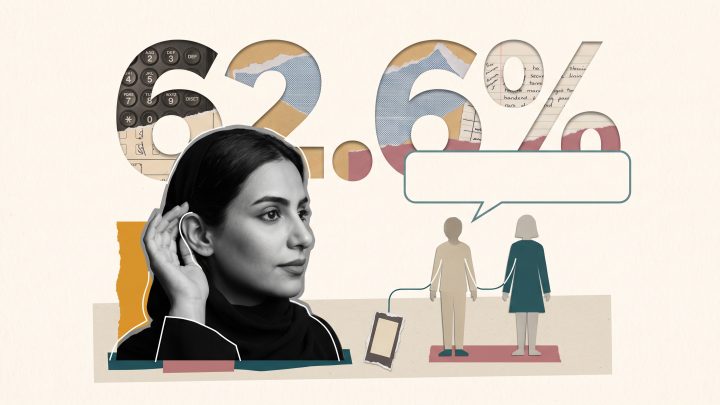
Listening is the very first step in constructing a durable relationship. While a child may enthusiastically share stories about themselves, they must learn that friendship is a two-way street of giving and taking. Teaching your child active listening skills empowers them to understand others and respect their feelings, which in turn makes them highly valued by their peers.
You can cultivate this skill through simple daily exercises:
Ask your child to gently paraphrase what a classmate told them to ensure they fully comprehended it.
Practice turn-taking during family conversations at home.
These exercises foster a deep awareness of genuine listening. Developing friendship-making skills is not just about having the courage to speak, but also about the emotional intelligence required to listen. This balance helps your child become well-liked and accepted in their social circle.
Encouraging Your Child to Express Their Feelings Clearly
Children frequently experience situations where they feel frustrated or joyful, but they may not know how to translate these complex emotions into words. The parent’s role here is to help them express themselves in a healthy, verbal manner, which minimizes misunderstandings and ensures clear communication with their peers.
The Strategy: Teach them to use constructive “I” statements. For instance, encourage them to say, “I feel sad because you didn’t wait for me,” rather than reacting with anger or retreating into silence.
Clear self-expression paves the way for more honest relationships and gives the child the sense that their feelings are heard and valued. Consequently, they become more capable of forming friendships based on mutual understanding. Building friendship skills begins with the courage to share one’s emotions and is reinforced by the child’s capacity to respect the feelings of others as well.
Developing Cooperation and Teamwork Skills
Friendships cannot thrive without a spirit of cooperation. Through group activities, children learn that mutual giving creates an atmosphere of respect and appreciation.
You can encourage cooperation by introducing them to collaborative environments:
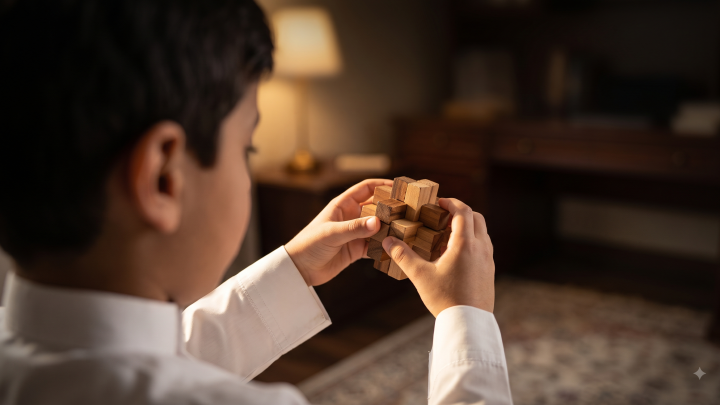
Playing with building blocks or puzzles with friends.
Engaging in team sports or structured group play.
These activities provide hands-on experience in sharing roles and celebrating collective achievements. Because cooperation serves as a profound lesson in building strong social bonds, developing friendship-making skills through teamwork cultivates social flexibility. It helps your child realize that shared success is far more beautiful and valuable than individual victory.
Boosting Your Child’s Self-Confidence
Self-confidence is the bridge that carries a child into the social world of peers. A confident child is daring enough to initiate introductions, join games, and ask for support when needed.
You can foster this confidence by:
Encouraging your child to try new things, even if they fail at first.
Highlighting their personal strengths.
Celebrating their small, daily achievements.
Confidence is not just an internal feeling; it is a behavior reflected outwardly, drawing others closer to them. This natural flow allows them to practice their friendship-making skills effortlessly. A self-confident child understands how to value themselves, and therefore, knows how to respect others in relationships.
Teaching Your Child to Respect Differences
The world is full of diversity, and children notice these differences from an early age. Your child might meet peers with different interests, cultures, or backgrounds. This is where the importance of instilling the value of accepting others comes in.
You must teach them that a difference in opinion does not equal hostility; rather, it is an opportunity to learn something new. When a child internalizes this concept, they become capable of building diverse, rich friendships. Teaching friendship-making skills is not limited to play or cooperation; it extends to embracing diversity as a fundamental human value. Children who respect the differences of others often enjoy deeper, more genuine friendships.
Cultivating Positive Conflict Resolution Skills
It is entirely natural for conflicts to arise between friends, but what matters most is how they are managed. Parents play a vital role here by teaching children practical conflict-management strategies.
Teach your child this practical five-step resolution process:
Pause: Stop and take a deep breath before reacting.
Listen: Hear out the other person without interrupting.
Empathize: Try to understand the other perspective.
Compromise: Search for a middle ground that satisfies both sides.
Apologize: Teach them that offering an apology when making a mistake is an act of courage, not weakness.
These skills make the child more adaptable and help them preserve their relationships. The ability to resolve conflicts peacefully is one of the most critical friendship-making skills that remains with a child well into adulthood.
Encouraging Participation in Shared Activities
Shared activities offer golden opportunities for children to strengthen their friendships. You can open multiple pathways for social interaction by:
Enrolling them in collaborative group games that require joint effort.
Encouraging them to play sports with their friends.
Supporting their active participation in school group projects.
Organizing simple playdates, picnics, or outings with close friends.
Helping them enjoy a favorite hobby alongside their peers.
These practices provide hands-on communication experience, helping them realize that friendship is built on time and shared experiences. Consequently, friendship-making skills become an active, natural part of their daily life rather than just theoretical concepts.
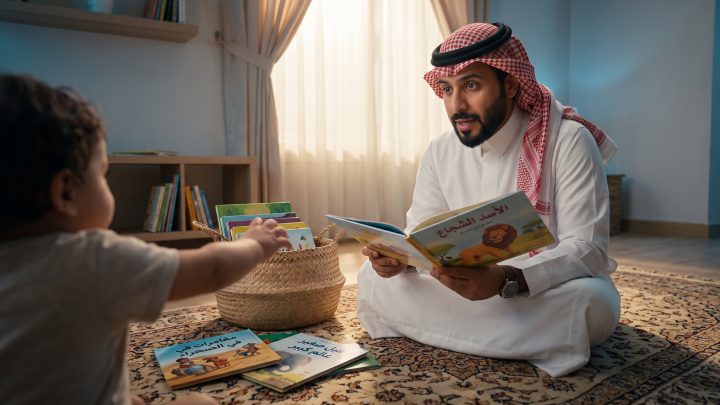
The Role of Parents as Role Models in Friendship
child observes their parents maintaining healthy, supportive friendships, they learn to value commitment and loyalty.
Therefore, you should demonstrate to your child how you respect your own friends and stand by them during challenging times. Children learn far more from observation than from direct instruction. This modeling inspires them to mirror these positive behaviors with their own peers. Instilling friendship-making skills begins at home, where children observe that true friendship is about mutual giving, support in times of need, and the capacity to forgive.
Ongoing Guidance Without Over-Intervention
Children need the freedom to experience trial and error in their relationships, but this does not eliminate the need for parental guidance. It is important to monitor your child’s interactions to ensure they remain healthy, without micromanaging or restricting their independence.
Ask about their day and listen attentively to stories about their peers.
Gently guide them if you notice an issue, offering advice rather than taking over.
Excessive intervention can erode their self-confidence and make them feel as though their friendships are not truly theirs. Wise guidance, however, reassures them that you are always there as a support system. This balanced approach allows them to develop friendship-making skills independently and responsibly.
In conclusion, teaching your child friendship-making skills is a priceless gift that will accompany them throughout their lives. A true friend provides safety, happiness, and psychological support. Through practical steps like encouraging active listening and open emotional expression, you provide your child with the foundation to build a strong, socially competent personality. With your consistent support and encouragement, they will learn that friendship is not just a childhood game, but a school for life—instilling core values of empathy and loyalty that remain deeply rooted into adulthood.