How to Turn a Child’s Temper Tantrum into a Moment of Calm

Anger is a natural emotion that everyone experiences—adults and children alike. Yet, if many adults find it challenging to control their impulses or express their anger in a healthy manner, how can we expect children to do so when they are still learning to identify and navigate their emotions?
In early childhood, temper tantrums are a normal part of developmental growth. However, many parents find themselves overwhelmed and questioning: How do I handle these outbursts? Is my child’s behavior normal, or does it warrant professional concern?
What Causes Temper Tantrums in Children?
Tantrums are not simply a matter of “spoiled behavior” or acting out. Instead, they are usually the physiological and emotional result of a complex interplay between internal and external stressors.
The primary triggers for childhood tantrums include:
Everyday Frustrations: A child may experience intense frustration when prevented from getting what they want or when asked to perform a task they dislike. In these moments, a tantrum becomes their primary, albeit raw, medium of communication.
Co-occurring Neurodevelopmental and Health Conditions: Sometimes, persistent anger issues are linked to clinical conditions such as Attention-Deficit/Hyperactivity Disorder (ADHD), Autism Spectrum Disorder (ASD), Obsessive-Compulsive Disorder (OCD), or Tourette Syndrome.
Genetic and Biological Factors: Research indicates that a predisposition to intense anger can be influenced by genetics or specific neurobiological brain functions.
The Surrounding Environment: Emotional trauma, ongoing parental conflict, or harsh and inconsistent parenting styles significantly increase the likelihood of recurring temper tantrums and aggressive behaviors.
Common Mistakes Parents Make During a Tantrum
Despite their best intentions, parents can sometimes react in ways that escalate a tantrum or leave a negative psychological impact on the child.
Here are the most common parental pitfalls to avoid:
1. Screaming or Losing Your Temper
When a parent responds to a child’s screams by raising their own voice, it heightens the child’s fear or triggers deeper stubbornness. This turns an emotional overload into a power struggle rather than a moment of de-escalation.
2. Completely Ignoring the Child’s Emotions
Some parents believe the most effective strategy is to completely ignore the child. However, total emotional isolation can make a child feel that their feelings do not matter. A healthier approach is to first acknowledge their emotional state (“I understand that you are angry right now”) before guiding them toward appropriate behavior.
3. Physical Punishment
Spanking or physical discipline does not teach a child emotional self-control. Instead, it breeds hostility, models aggressive behavior, and severely erodes the child’s trust in their parents.
Practical Steps to Transform a Tantrum into a Moment of Calm
While a temper tantrum can feel like an uncontrollable storm, a structured behavioral approach can transform these volatile episodes into valuable learning opportunities for both you and your child.
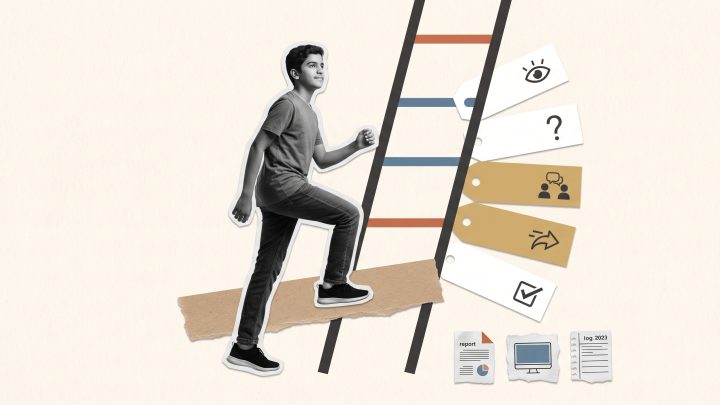
Step 1: Start with Deep Breathing When confronted with your child’s tantrum, regulate your own nervous system first. Inhale deeply through your nose and exhale slowly. Deep breathing is not just a simple step; it is supported by neuroscience, which proves its role in calming physiological stress and regulating emotional reactivity.
Step 2: Acknowledge Your Own Triggers Before addressing your child’s feelings, pause and ask yourself: What is triggering my anger right now? Perhaps you are running late for work and worry about appearing disorganized, or perhaps you are anxious because your child is refusing to eat and you feel inadequate. Recognizing your internal motivations gives you the mental space to handle the situation calmly.
Step 3: Let It Go It is natural to worry, “What does this outburst mean for my child’s future?” or to bring up past behavioral issues. However, projecting these worries onto the current situation is counterproductive. Let those anxious thoughts go, focus entirely on the present moment, and analyze the triggers later when everyone is calm.
Step 4: Assess the Situation Take a moment to evaluate the immediate dynamics: What is my psychological state right now? How does my child look? Are they calm, curious, frightened, or utterly overwhelmed? This brief assessment helps you choose the most appropriate intervention.
Step 5: Observe the Details Tune into your body: check your breathing, heart rate, and muscular tension. Simultaneously, monitor your child’s physical cues: their tone of voice, facial expressions, and body language. These non-verbal cues reveal their exact level of emotional distress.
Step 6: Connect with Empathy Communicate to your child—verbally or through comforting body language—that you see them and validate their struggle. Recognizing their feelings with genuine empathy lowers their emotional defenses and restores their sense of psychological safety.
Step 7: Respond with Intention Now that you are in a calm, mindful state, make a conscious decision on how to proceed. If your child is screaming, do not scream back to make them stop. Instead, address them with a quiet, firm voice. Regardless of the parenting challenge, your own self-regulation marks the critical boundary between permissive and authoritarian parenting.
The ultimate goal is to soothe your child’s emotional distress while maintaining firm, clear boundaries regarding acceptable and unacceptable behaviors.
How to Prevent and Reduce the Frequency of Tantrums
While tantrums are a normal aspect of early childhood development, parents can use proactive, everyday strategies to minimize their frequency and teach children healthy emotional expression:
Identify the Triggers (HALT Method) Before reacting, analyze when and why these tantrums occur. Ask yourself if your child is:
Hungry?
Angry or anxious?
Lonely?
Tired?
Often, addressing these basic physical and emotional needs prevents behavioral meltdowns.
Provide Reassurance and Affection If your child is anxious or feels insecure, the solution is not discipline, but connection. Physical closeness, warm hugs, and reassuring words remind them that they are not alone in managing their overwhelming emotions.
Offer Simple, Structured Choices Children naturally crave autonomy. When they feel completely powerless, they often express their frustration through crying or defiance. Instead of imposing a single command, offer simple alternatives: “Would you prefer an apple or a banana?” These minor choices grant them a sense of control and prevent emotional conflict.
Plan Ahead Tantrums frequently occur in public spaces or during transitions. Prevent these by preparing in advance: pack healthy snacks, bring a comforting toy or book, anticipate triggering situations, and build transitions smoothly into their schedule.
Help Them Label Their Emotions When you verbally identify your child’s emotional state—saying things like, “I see that you are angry,” “It looks like you are frustrated,” or “You are happy right now”—you help them build the cognitive and linguistic tools to express themselves with words rather than outbursts.
Incorporate Active Play for Physical Release Active physical play is an excellent way to release pent-up energy and stress. Go to the park, play catch, or play music and dance together. Physical activity naturally lowers stress hormones and prevents accumulated frustration.
Be a Calming Role Model Children learn primarily through observation. When you maintain your composure in stressful moments, you send a powerful message that emotional self-regulation is possible and effective.
Build a Support Network If you feel that your child’s tantrums are becoming unmanageable or overly frequent, do not hesitate to seek help. Consulting a child behavioral specialist or a pediatric counselor can provide you with practical, customized strategies tailored to your family’s needs.
When Should You Consult a Professional?
In most cases, temper tantrums are a temporary developmental phase that resolves as children mature and gain better communication skills. However, a pediatric check-up or psychological consultation is highly recommended if:
You find yourself feeling extremely angry or losing control when responding to your child’s outbursts.
You consistently capitulate to your child’s demands just to avoid a tantrum.
The tantrums cause ongoing, severe tension or strain between you and your partner, or within the parent-child relationship.
Outbursts become exceptionally frequent, increasingly aggressive, or unusually prolonged.
Your child exhibits self-injurious behavior or attempts to hurt others during a tantrum.
Your child is persistently hostile, argumentative, and rarely cooperative with daily expectations.
Tantrums are a normal developmental milestone. They are rarely a sign of a “bad” child; rather, they are a desperate attempt to communicate complex feelings that the child cannot yet articulate. Your role as a parent is to serve as the calm mirror reflecting how to navigate emotional storms safely.
By understanding the underlying causes, practicing intentional de-escalation, and avoiding common emotional triggers, you can transform chaotic moments into structured developmental milestones. This mindful approach fosters your child’s cognitive growth, strengthens their psychological resilience, and secures their long-term psychological wellbeing and holistic wellbeing.