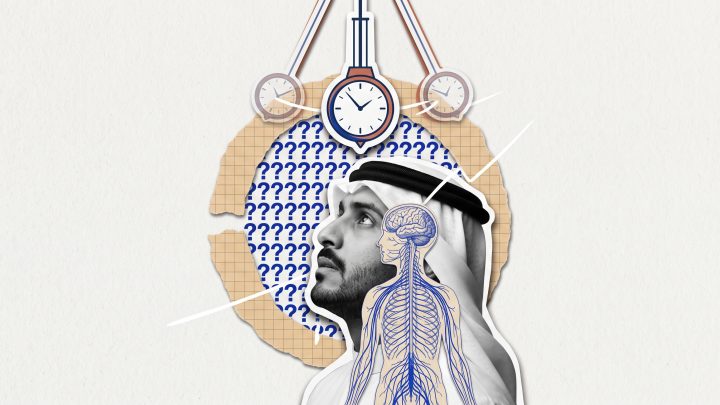
Signs Your Child Is Struggling with Test Anxiety

Test anxiety is one of the most prominent challenges children face during late childhood, a developmental stage spanning from ages nine to twelve. During this period, children begin to assume greater responsibility for their academic journeys. They face increased pressure regarding grades, alongside the heightening expectations of parents and teachers. While a mild degree of anxiety is natural and can even act as a positive motivator for academic achievement, excessive test anxiety can severely impact a child’s physical health and psychological well-being, leaving them unable to focus or perform to their true potential.
Key Signs of Test Anxiety in Children
The indicators that a child is struggling with test anxiety generally fall into two distinct categories: physical symptoms (somatic expressions of stress) and psychological symptoms (emotional and cognitive distress). Recognizing these signs early is crucial for timely intervention.
Physical Signs (Somatic Symptoms)
Gastrointestinal Distress: Many children complain of stomachaches, nausea, or indigestion before an exam. This symptom is particularly common in younger children, as emotional distress is often directly expressed through gastrointestinal pathways.
Rapid Heart Rate: Due to acute stress, a child may experience a noticeably accelerated heartbeat before or during an exam. The body releases stress hormones that trigger a sudden cardiovascular response, making this one of the most common physical indicators of test anxiety.
Frequent Headaches: A child may suffer from recurrent tension headaches, especially if they are struggling with poor sleep or constantly worrying about the upcoming exam. This sensitivity to stress-induced headaches is highly prevalent during early childhood development.
Physical Trembling and Muscle Tension: You may notice your child’s hands shaking or their body stiffening as the exam date approaches or when they enter the examination room. This somatic response reflects the nervous system’s reaction to intense worry.
Shallow or Rapid Breathing: High anxiety can manifest as hyperventilation, rapid breathing, or a feeling of chest tightness. The child may feel as though they cannot take a deep, satisfying breath, which is a key physical indicator of acute panic or stress.
Psychological Signs (Cognitive and Emotional Symptoms)
Obsessive Fear of Failure: The child may talk incessantly about their fear of failing the test or disappointing their parents and teachers. They become completely preoccupied with the final grade rather than the actual study material, which severely erodes their self-confidence.
Mental Paralysis and Procrastination: A child may sit in front of their textbooks for hours without making any real progress. Their study time is consumed by anxious overthinking and worry, leaving them unable to concentrate on problem-solving or memorization.
Stress-Induced Memory Blocks: The child may enter the exam room only to find they have forgotten everything they studied, feeling as though the information has suddenly vanished from their mind. This temporary cognitive freeze is a common psychological response to high stress in school-aged children.
Avoidance Behaviors: The child may express a strong desire to postpone the exam, make excuses to stay home from school, or intentionally distract themselves with unrelated tasks to avoid studying, which ultimately compounds their anxiety.
Prolonged Anticipatory Worry: The child begins experiencing fear and nervousness days or even weeks before the scheduled exam. They may talk about it constantly, which disrupts their rest, appetite, and sleep, ultimately undermining their overall academic performance.
What to Do If Your Child Is Struggling with Test Anxiety
If you notice that your child is experiencing significant test anxiety, it is essential to address these fears constructively. Implementing the following practical strategies can help ease their academic stress:
Structure Early Study Habits: Encourage your child to begin reviewing their materials well in advance. Help them divide the curriculum into small, daily, manageable portions. This systematic approach reduces last-minute cramming and builds their confidence in their readiness.
Demystify the Exam Process: Discuss the structure of the exam, the types of questions, and the time limits with your child. Knowing what to expect demystifies the experience and helps replace fear of the unknown with a sense of control.
Prioritize Sleep Hygiene and Tech-Free Evenings: Ensure your child gets a full night of restorative sleep. Turn off electronic screens and digital devices well before bedtime, as quality sleep is scientifically proven to boost focus, improve memory retention, and reduce cortisol levels.
Teach Relaxation Techniques: Guide your child through simple self-soothing practices, such as deep breathing (inhaling slowly through the nose and exhaling through the mouth) or counting slowly backward. These exercises help calm their nervous system during moments of panic in the exam room.
Implement Structured Study Breaks: Encourage short, focused study blocks separated by brief, active rests. This pacing keeps their mind fresh, prevents cognitive fatigue, and naturally lowers test-related anxiety.
Praise Effort and Intent over Results: Make sure your child knows that you value their dedication, hard work, and persistence, regardless of the final grade. Emphasizing effort over outcomes boosts their self-esteem and alleviates the fear of failure.
Consult with Professionals When Necessary: If your child’s anxiety begins to severely disrupt their sleep, overall health, or daily functioning, seek guidance from their school teacher, counselor, or a child psychologist. Early professional intervention can prevent test anxiety from developing into a deeper clinical issue.
Normal vs. Excessive Exam Anxiety: Understanding the Difference
It is entirely natural for a child to experience a mild degree of anxiety before an exam. In fact, a healthy level of situational stress serves as a positive motivator that encourages study, organization, and preparation. This typical anxiety is temporary, manageable, and prompts the child to manage their time wisely and review their notes. It drives performance without disrupting their health.
In contrast, excessive anxiety occurs when this temporary stress escalates into an overwhelming force that dominates the child’s daily life. When anxiety becomes excessive, the child may experience cognitive paralysis while trying to study, complain of chronic physical symptoms like headaches or stomach pain, or actively avoid attending school altogether. In these scenarios, anxiety ceases to be a motivator and becomes a significant cognitive and emotional barrier.
The fundamental difference lies in functionality: normal anxiety is a fleeting, performance-enhancing response, whereas excessive anxiety is a prolonged, debilitating state that impairs a child’s ability to prepare, retain information, or demonstrate their knowledge during an exam.
When to Seek Professional Support
A child requires professional pedagogical or psychological support when their test-related anxiety becomes chronic and significantly impairs their daily functioning. Parents should look out for the following warning signs:
Chronic sleep disturbances or persistent insomnia.
Prolonged loss of appetite or sudden changes in eating habits.
Flat-out refusal to attend school on exam days.
Consistent complaints of physical symptoms (like stomachaches and headaches) with no underlying medical cause.
Frequent crying spells, severe temper tantrums, or complete behavioral avoidance of study tasks.
If these behaviors persist, consulting a pediatric specialist or child counselor is highly recommended. Early therapeutic intervention helps children develop robust coping mechanisms, safeguarding their psychological well-being, self-confidence, and long-term academic path.
Conclusion
In conclusion, test anxiety is a highly common phenomenon among school-aged children, but how parents and educators respond to it makes all the difference. Providing steady emotional support, building healthy self-confidence, and establishing a calm, structured home environment are essential steps to help children face their academic fears. By implementing these practices, you can help your child transform exam-related stress from a paralyzing barrier into a manageable, positive driver for personal growth and academic success.