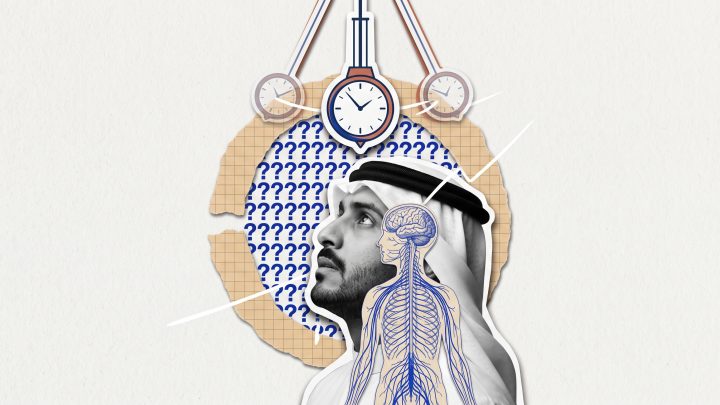
Managing Professional Anxiety

How to Control Work Stress and Restore Balance to Your Life
On a busy workday morning, tasks pile up, you jump between meetings, and you feel time slipping through your fingers. Accompanied by feelings of tension and anxiety, this state has become an integral part of the work environment. Professional anxiety can be a silent enemy that hinders your productivity and affects your mental and physical wellbeing. But how can we break this cycle? The answer lies in learning innovative and effective strategies to deal with this anxiety, turning work pressure from an obstacle into an opportunity for growth.
What is Professional Anxiety? Is It Really a Big Problem?
Imagine being in a constant race; this is the feeling of professional anxiety. It is that mental state characterized by constant tension and anticipation, often caused by work pressure or lack of task clarity.
Surveys in the USA, according to the American Psychiatric Association, indicate that workplace stress affects a large proportion of employees. Recent research has shown that a significant percentage of workers suffer from work-related anxiety, negatively impacting their health and productivity. Studies indicate that a vast majority of workers experience significant stress, and this stress leads to problems such as fatigue and back pain, affecting their ability to perform tasks effectively.
Additionally, Health data indicates that stress levels are linked to reduced overall job satisfaction and efficiency. Anxiety has been identified as a major contributor to reduced productivity, with about 30% of workers reporting feeling overwhelmed by work pressures, directly affecting their ability to stay productive.
Its Psychological and Physical Effects
Psychologically: Chronic anxiety can lead to depression, mood swings, and low self-confidence.
Physically: High blood pressure, chronic headaches, and muscle pain are common symptoms of professional anxiety.
But why do we need innovative strategies?
Anxiety solutions are not one-size-fits-all; they require a personalized plan and innovative practices that suit each individual’s needs. Here are studied and practical steps to turn anxiety into a positive force.
Now that we understand the impact of anxiety, let’s explore its roots of the problem and learn how to deal with and face it, so we can develop the psychological resilience that helps us alleviate daily pressures.
First: Understanding the Roots of Professional Anxiety
1. Digging into Anxiety Triggers
Ask yourself:
Is your anxiety caused by deadline pressure?
Is it due to difficulty communicating with the work team?
Identifying the source is half the solution.
2. Positive Analysis of the Problem
Instead of seeing challenges as obstacles, view them as opportunities to improve your skills.
For example, if deadlines are pressuring you, perhaps it is time to develop your time management skills.
3. Write Down What You Feel
Using a journal to document your feelings and thoughts can help you see the picture more clearly. Daily writing has a positive effect on reducing anxiety levels.
Second: How to Face Professional Anxiety? Effective Strategies
1. Rethinking Time Management
Time is not your enemy if you deal with it wisely:
Use the Pomodoro Technique: Dedicate 25 minutes to work followed by a 5-minute break.
Divide large tasks into smaller parts, and start with the most important ones.
2. Deep Breathing and Relaxation Techniques
Dedicate a few minutes periodically
Inhale slowly through your nose for 4 seconds.
Hold your breath for 7 seconds, then exhale slowly through your mouth for 8 seconds.
Deep breathing exercises can significantly help reduce stress and cortisol levels. In the workplace, short periods of deep breathing exercises during the workday can help enhance relaxation, lower blood pressure, and improve overall stress management. A study published in the journal Frontiers in Psychology demonstrates the effectiveness of deep breathing exercises, showing that they lower both anxiety and blood pressure during rest, contributing to improved cardiovascular health. Additionally, deep breathing exercises are a simple and accessible way to help reduce the negative effects of stress without the need for special equipment, making them a practical way to improve employee wellbeing and productivity.
3. Separating Work from Personal Life
Do not let work invade your personal life.
Turn off work-related notifications after hours.
Dedicate time to your family or hobbies away from computer screens.
4. Enhancing Communication with Your Team
Share your concerns with your manager or colleagues.
Example: If you feel overwhelmed by a specific project, ask for a clear distribution of tasks.
Third: Adopting Sustainable Healthy Habits
1. Movement During Work
Instead of sitting for long hours, walk for 5 minutes every hour.
2. Adequate Sleep
Set consistent sleep hours (7-8 hours daily).
3. Improving Diet
Eat foods that boost mood, such as:
Nuts, spinach, and fish rich in Omega-3.
Avoid excessive caffeine and sugar.
Fourth: How to Develop Your Psychological Resilience?
1. Building a Growth Mindset
Face difficulties with curiosity instead of fear.
Example: If you fail to achieve a certain goal, ask yourself: “What did I learn? And how can I improve performance in the future?”
2. Meditation and Self-Reflection
Practice meditation for 10 minutes daily to improve your focus and calmness.
3. Seeking Psychological Support
If the anxiety is severe, do not hesitate to consult a psychologist to obtain personalized tools to help you.
Professional anxiety is not the end, but can be the start of a self-development journey. By using the mentioned strategies, you can reduce stress and regain control of your professional life.
Start today with a small step: Choose one strategy from this article and apply it. Share your experience with us and be a model for others in managing anxiety intelligently!