Self-Development Transforms You from an Employee to a Driver of Change

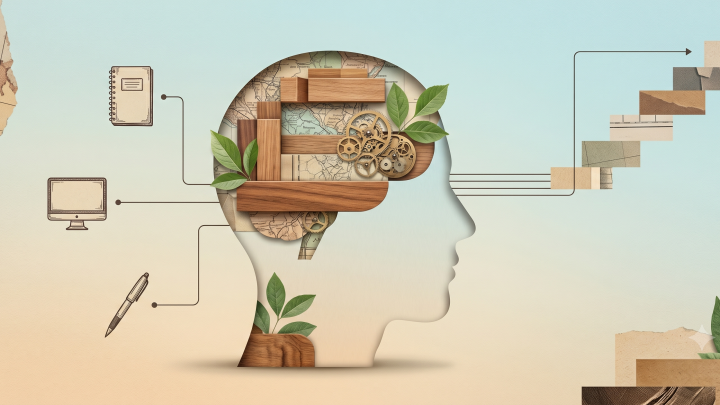
Today, self-development is an essential element in building a successful and stable career path, especially given the continuous changes within work environments. It is not limited to merely acquiring new skills; rather, it extends to developing your way of thinking, increasing self-awareness, and improving how you handle daily challenges. Through this quiet internal transformation, your job performance begins to improve gradually and tangibly.
What is Self-Development?
Self-development is a conscious process in which an individual seeks to understand themselves more deeply. Through it, they work on developing their mindset, improving their skills, and refining their behaviors, which helps them progress in both their personal and professional lives. This process does not mean changing a person radically or striving for perfection. Instead, it is based on recognizing and nurturing strengths, while paying attention to weaknesses and attempting to address them calmly and realistically.
The importance of this concept lies in the fact that it starts from within. It begins with your mindset and how you view yourself and your circumstances. Then, its impact gradually reflects on your decisions, performance, and relationships with others. The more aware a person becomes of themselves and their capabilities, the more capable they are of growing, taking responsibility, and making a positive impact on their surroundings—without the need for sudden changes or external pressures.
This path also grants a person a greater ability to adapt to the changes and challenges they face in daily life. It helps them build psychological resilience, making them more prepared to handle failure or frustration without losing self-confidence. By continuing to focus on self-development, personal growth transforms into a lifestyle that supports psychological stability and fosters a sense of satisfaction and balanced progress.
How Does Self-Development Affect Your Job Performance?
The more you manage to develop yourself, the more you can improve your performance and career standing. This is achieved through:
1. Improving your ability to manage time
When you work on self-development, your ability to manage your time and organize your priorities at work improves. Completing tasks becomes clearer and less distracting, which reduces procrastination and increases commitment. Over time, this shows in the consistency and quality of your performance.
2. Rethinking your mindset
Self-development helps you reconsider how you think about daily tasks and challenges. Instead of focusing on stress or mistakes, you become more capable of learning from them and handling them calmly. This internal change reflects on your decisions, making your performance more mature and balanced.
3. Sensing your professional value
The process of self-development enhances your sense of professional value and your ability to contribute. This is reflected in how you communicate with colleagues and take initiative. As your confidence grows, you become more present and impactful without the need to constantly impose or prove yourself.
4. Understanding and consciously handling sources of stress
Self-development helps you understand the sources of stress at work and deal with them more consciously. Instead of reacting impulsively or giving in to pressure, you learn calmer methods to control your emotions. This makes you more resilient in difficult situations and maintains your performance under pressure.
5. Becoming more aware of your speaking and listening style
By developing yourself, you become more aware of how you speak and listen. This reflects on your professional relationships, leading to fewer conflicts and more collaboration. As your communication improves, your work becomes smoother, and your influence within the team grows.
6. Adopting a learning mindset
This approach helps you adopt a learning mindset rather than settling for what you currently know. You become more willing to acquire new skills and develop your expertise over time. This openness to learning elevates your professional value and makes you more adaptable for growth and advancement within your job.
How to Improve Your Job Performance and Strive for the Best?
To improve your job performance, develop yourself, and achieve the best results, there are some fundamental and important tips you should keep in mind:
Knowing exactly what you want to achieve. When you set clear goals, your work becomes more organized and focused. This also helps you measure your progress and motivate yourself to keep going.
Continuous learning to keep up with changes in your professional field, whether through reading, taking courses, or learning from daily experiences. Developing your skills boosts your competence, and over time, this increases your chances of standing out and advancing.
Time management, as it is one of the most important factors in improving job performance. It helps you prioritize and balance your time, reducing stress and increasing productivity. This discipline also supports you in delivering your best work without burning out.
Regular self-assessment to track your progress and discover areas for improvement. By reviewing your achievements and challenges, you become more aware of what you need to develop. This puts you in a state of constant growth and prevents professional stagnation, aligning with the principles of self-development in continuous improvement.
Being open to constructive feedback to see aspects you might not notice on your own. Instead of viewing criticism as a threat, you can turn it into an opportunity for development. This in itself reflects your professional maturity and continuously improves your performance.
Striving for the best without neglecting your psychological well-being. Prioritizing rest and pacing your efforts helps you maintain a consistent output. With balance, your performance becomes more stable and positive in the long run.
Taking initiative rather than just waiting for direction. When you take responsibility for your tasks and seek solutions instead of just executing them, others rely on you more. This spirit reflects your professional awareness and opens up greater opportunities for advancement. It is also linked to the path of self-development, which enhances your presence and influence in the work environment.
5 Effective Steps to Balance Work and Career Growth
You may sometimes struggle to balance your work and your career growth. Therefore, it is important to focus on a set of fundamental, effective steps that contribute to balancing the two. These are:
Step One: Understand what is important now
Understand what matters at this stage of your career. When you clarify your priorities, you can distribute your effort between performing your current tasks and building your career future. This clarity helps you avoid distractions and makes your steps more deliberate.
Step Two: Good time management
Manage your time well to find room for development without compromising the quality of your work. You can utilize specific times to learn or develop a new skill, even if they are short periods. Consistency here remains more important than the abundance of time.
Step Three: Integrate work with development
Try to blend your work with development instead of completely separating them. Learn skills that serve your current tasks or improve your performance style. This approach allows you to directly benefit from what you learn and enhances your value at work within the framework of self-development.
Step Four: Balance ambition and rest
Strive for development without burdening yourself beyond your capacity. Realize that this requires balancing ambition and rest so that development does not become a source of burnout. A calm and steady progression remains more effective than a temporary rush.
Step Five: Periodic review
Allocate regular time to evaluate what you have achieved in your work and your professional development. This review helps you discover what worked and what needs adjustment. With flexibility, you can continue to progress without feeling pressured or losing direction.
Conclusion
Ultimately, true development is tied to a constant readiness for growth and improvement. Every effort made to understand yourself and develop your capabilities is reflected in your performance, confidence, and job stability. By committing to simple and balanced steps, progressing toward the best becomes a natural and sustainable outcome within your self-development journey.
Do not wait for a job title to lead; start by leading yourself first! Self-development is the fuel that transforms you from a task executor to a future maker. Start building your leadership skills today and step into the seat of influence.