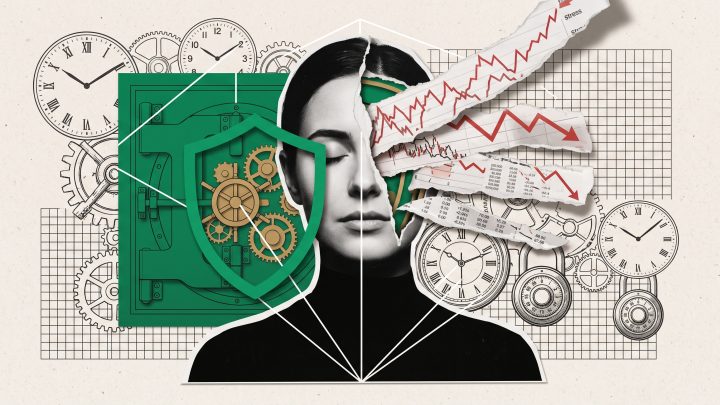
Healthspan, Not Lifespan: The Difference That Changes What You Do Today
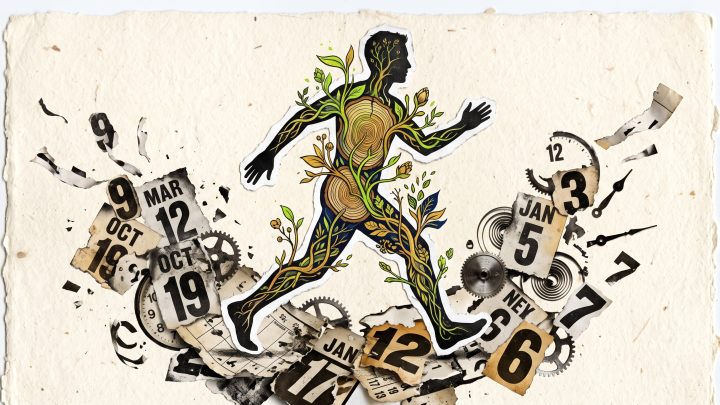
Imagine your future twenty years from now: Do you simply hope to reach an advanced age and get enough rest, or do you aspire to enjoy a body capable of moving, working, and enjoying each day without pain or chronic disease medications?
This is the difference between lifespan and Healthspan. A comprehensive study covering 183 countries indicates that the global gap between these two numbers averages 9.6 years—nearly a full decade of life spent carrying the burden of illness and physical frailty.
The Widening Gap: Medicine Extends Life, Not Wellbeing
A study published in JAMA Network Open (December 2024), designed by researchers from Mayo Clinic based on World Health Organization data, revealed that the average global healthspan is 63.3 years, while average life expectancy is 72.5 years. This means people live an average of 9.2 years burdened by disease.
Remarkably, this gap widened by 13% over two decades. The greatest paradox is that the widest gaps were not recorded in low-income nations, but in countries offering advanced modern healthcare: the United States (12.4 years), Australia (12.1 years), and the United Kingdom (11.3 years).
The reason is straightforward: Modern medicine excels at keeping people alive with chronic conditions that previously would have been fatal, but it is less effective at preventing those conditions in the first place. Medicine adds years to your life, but your personal lifestyle is what adds wellbeing to those years.
4 Habits That Add 10 Disease-Free Years
In a longitudinal study published in the BMJ by Harvard University (tracking over 111,000 participants for more than 20 years), researchers found that adopting a healthy lifestyle in midlife grants women an additional 10.7 years and men an additional 7.6 years completely free of heart disease, cancer, and type 2 diabetes.
The four actionable factors you can apply today are:
Complete avoidance of smoking (including e-cigarettes).
Maintaining a healthy weight (a moderate body mass index).
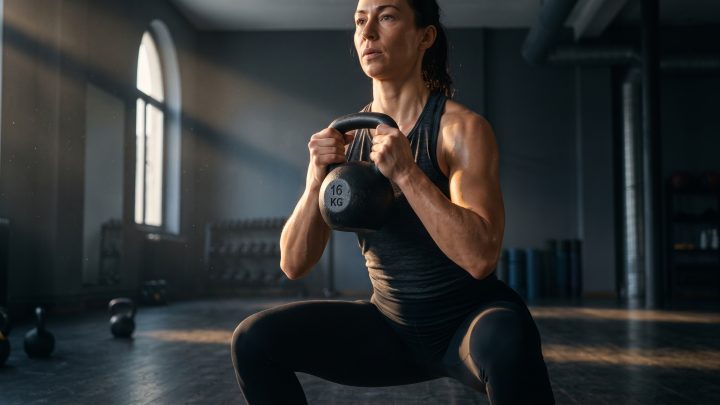
Regular Physical Activity (30 minutes daily of brisk walking or moderate exercise).
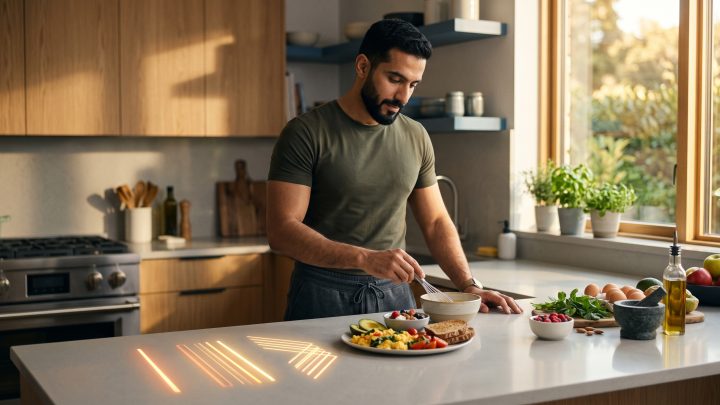
Healthy Nutrition (focusing on whole foods and reducing processed foods and sugar).
🎯 Weekly Exercise: Review the four factors above and choose only your weakest area. Do not try to fix everything all at once; dedicate the next 90 days exclusively to improving this single area.
What This Cannot Solve
Improving your lifestyle reduces the risk of developing disease, but it is not an absolute guarantee.
Your Physical Health is influenced by factors beyond your full control: genetic predisposition, environmental pollution, demanding work conditions, and living stresses. The goal of building healthy habits is not to make you feel guilty if illness occurs, but to give your body the best possible chance to prevent and withstand it.
Conclusion
The gap between healthspan and life expectancy consists of years that can be protected through simple daily decisions starting in your thirties and forties, allowing you to reap the benefits after fifty. Start today with a single decision to safeguard your future Holistic Wellbeing.
🌙 Your Action Step Tonight: Take a 15-minute walk after dinner, or set a reminder in your calendar to start brisk walking daily starting tomorrow.
Frequently Asked Questions
Is it too late if I am over forty?
Absolutely not. The study measured the impact of adopting these habits at age fifty and demonstrated a massive improvement in disease-free years following that milestone. Midlife is the most impactful window to invest in your future Psychological Well-being and physical health.
Can healthspan be measured through biological tests?
Today, some commercial tests are marketed as measures of “biological age.” Most of these tests are research tools and do not provide definitive diagnostic conclusions. Your consistent commitment to the four healthy lifestyle factors and regular check-ups with your physician remain your true, ongoing measurement.