Meal Timing
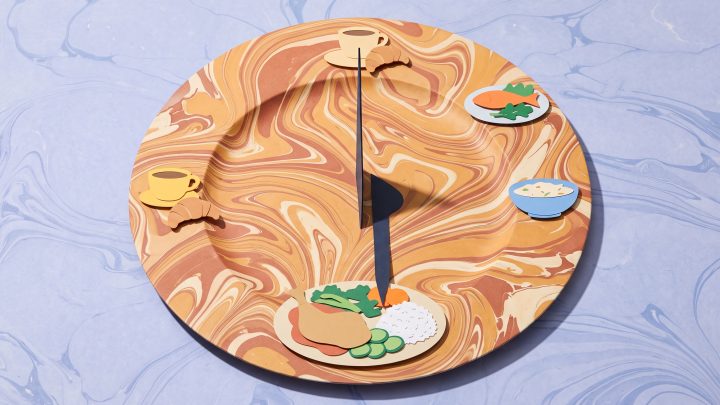
A familiar picture in most homes: a rushed or skipped breakfast, a late lunch at the office, then the real family meal after 9:00 or 10:00 p.m. The same food, the same ingredients, but the schedule is upside down.
For years, the conversation about nutrition centered on quantity and ingredients. But the trend leading today’s nutrition literature asks a different question: When do we eat? The idea is to align eating with the body’s circadian rhythm rather than focus on restriction alone—a concept that now has its own established name in scientific reviews: chrononutrition.
A trial that changed the conversation
In a randomized, controlled crossover trial conducted by researchers from Brigham and Women’s Hospital and Harvard Medical School, 16 adult participants with overweight and obesity followed two different schedules: early eating and late eating—with the same food, physical activity, sleep, and light exposure strictly controlled. In other words, the only difference was timing.
The result: late eating was linked to a noticeable increase in hunger, changes in appetite-regulating hormones, decreased energy expenditure while awake, and lower core body temperature. Analyses of adipose tissue also showed shifts in metabolic pathways toward decreased fat breakdown.
In another trial that same year, delaying mealtimes led to a decrease in fat oxidation—even though the length of the eating window was identical in both conditions. That is, it’s not only about how long your eating window is, but where it falls in your day.
Both samples were small and strictly controlled in a laboratory setting, so they show a mechanism more clearly than they offer a general recommendation for everyone. But the consistency of both findings in the same direction makes the idea worth experimenting with.
Why does this happen?
Because the body doesn’t operate at the same pace across the day. Digestion, insulin secretion, body temperature, and hunger and satiety hormones all follow a circadian rhythm. Light sets the central clock in the brain, while mealtimes set the clocks in peripheral organs. When the two signals drift apart—daylight saying one thing and meals saying another—your internal systems run on two different schedules.
How do you apply this to the way we live?
Start by anchoring your first meal. What matters isn’t eating breakfast extremely early, but keeping your first meal at roughly the same time from day to day. Regularity here, just like in sleep, is what sets the rhythm—not the specific hour you choose.
When your schedule is flexible, shift your largest meal earlier into the day rather than eating it an hour before bed. This step has the biggest impact, but it’s also the hardest in our households, so don’t make it a must.
Treat late dinners as a structured exception. Dinner invitations and gatherings are part of social life here, and there’s no point in withdrawing from them or apologizing for them. But the difference between having late dinners three nights a week and having them seven nights is real, and it’s the only difference worth managing.
Leave a buffer before sleep when you can: two to three hours between your last meal and bedtime improves sleep itself, and sleep in turn regulates hunger the following day. The loop works both ways: pull on either end, and the other follows.
A word of caution
This article is about rhythm, not restriction. Turning timing into a rigid rule—a specific hour you can’t cross, meticulous tracking of every meal, or guilt after every late dinner—creates a bigger problem than it solves. If you notice that thinking about mealtimes is taking up a large part of your day or straining your relationship with food, the best course is to stop adjusting your timing and speak with a specialist.
If you take medications on a specific schedule, have a medical condition that affects your diet, or work night shifts, your schedule requires individual guidance from a specialist, not a general rule.
At your office
What disrupts timing most during a workday isn’t dinner, but pushing lunch to 4:00 p.m. because meetings left no opening. The result is a predictable chain reaction: intense hunger in the evening, a late dinner, late sleep, and a sluggish morning. Protecting a consistent 30 minutes for lunch on your calendar sets the whole day straight, and it isn’t a luxury.
Your step today
Block out a consistent time for lunch on your calendar this week, and treat it like any other meeting. Then pick two nights to have dinner an hour earlier than usual. Don’t change what you eat—only change when you eat, and notice the difference in your sleep.