
How Physical Fitness Resets Your Biological Clock and Improves Your Sleep Quality
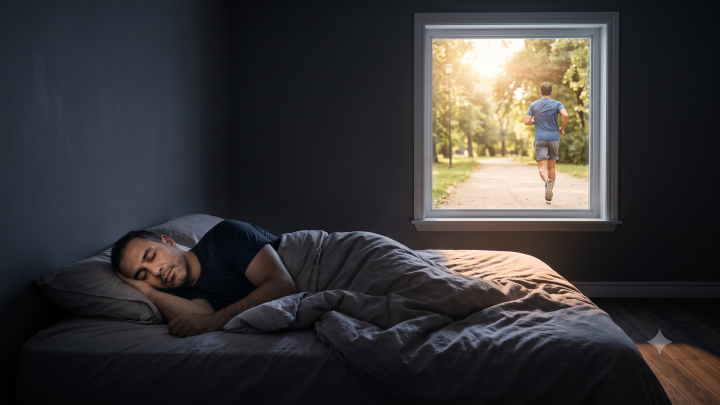
Physical fitness and holistic wellbeing are essential pillars for building a balanced life and improving daily quality of life. Their benefits extend far beyond maintaining physical appearance or boosting energy levels; they encompass optimizing internal bodily functions, enhancing psychological well-being, and regulating sleep. Through consistent physical activity, the body becomes better equipped to reset its internal biological clock (circadian rhythm) and release daily stress, leading to deeper sleep and a more restful, stable life.
How Physical Fitness Resets Your Biological Clock and Improves Sleep Quality
Physical fitness helps regulate numerous vital functions within the body, most notably resetting the biological clock and improving daily sleep patterns. With sustained physical activity and healthy habits, the body becomes more capable of relaxing and transitioning into deep, regular sleep through the following mechanisms:
Regulates the Body’s Internal Clock: Regular physical activity helps align the body’s internal clock—the system responsible for regulating sleep-wake cycles and energy levels throughout the day. When the body gets used to moving at regular intervals, it can more easily distinguish between active periods and rest periods.
Reduces Time Needed to Fall Asleep: Physical activity helps shorten the time it takes to fall asleep, especially for individuals suffering from insomnia or overthinking at bedtime. Movement helps calm mental activity and naturally prepares the body for rest, highlighting the importance of physical fitness and health in improving sleep quality and enhancing bodily comfort.
Extends Sleep Duration and Deepens Sleep: Exercise increases total sleep duration and supports entry into deep sleep stages required for muscle recovery and energy restoration. Scientific reviews show that regular exercise is associated with improved sleep quality and reduced sleep disturbances.
Releases Neurochemicals that Alleviate Stress: Exercise goes beyond fatiguing muscles; it releases brain chemicals that elevate mood and promote a sense of calm. This neurochemical impact reduces anxiety and psychological stress, two primary drivers of sleep disruption.
Fosters a Mutual Relationship Between Sleep and Performance: When sleep improves through regular physical activity, the body recovers more efficiently, enhancing athletic performance and daytime mental focus. This creates a positive feedback loop: better sleep leads to superior physical performance, and increased movement fosters better sleep.
Enhances Overall Quality of Life: Consistent sleep combined with exercise directly elevates quality of life. Individuals experience increased energy, improved mood, and greater resilience against daily stressors. Furthermore, regular movement helps mitigate symptoms of anxiety and depression, fostering overall psychological well-being.
What Is the Body’s Biological Clock and How Does It Affect Sleep?
The biological clock, or circadian rhythm, is a natural internal timing system operating within the human body to regulate key vital functions throughout the day, including sleepiness, alertness, energy levels, hormone secretion, and core body temperature. This internal clock relies primarily on light and darkness cues, guiding the body to recognize appropriate times for activity and rest in sync with the day-night cycle.
The impact of the biological clock on sleep includes:
Determining natural times for drowsiness and wakefulness throughout the day.
Regulating the release of melatonin, the hormone responsible for preparing the body for sleep at night.
Influencing sleep quality and continuity by governing transitions through different sleep stages.
Disrupting nighttime sleep and causing daytime fatigue or lethargy when misaligned.
Enhancing sleep efficiency and boosting morning alertness when properly aligned.
How Physical Movement Helps Regulate the Biological Clock
Physical movement plays a crucial role in regulating vital bodily functions, particularly in stabilizing the biological clock and maintaining its daily balance. When engaging in regular physical activity, the body becomes adept at distinguishing between active and restful states:
Establishes a Consistent Routine: Committing to physical movement at set times each day trains the body to adapt to a structured pattern, aligning activity and rest intervals. This consistency reinforces a healthy circadian routine, exemplifying the role of physical fitness and health in daily living.
Signals Daytime Alertness: Physical activity sends clear signals to the body that it is time for wakefulness, boosting daytime energy. As the day ends, the body transitions more naturally into a relaxed state ready for nighttime sleep.
Balances Hormones: Exercise optimizes the balance of essential hormones related to energy and relaxation. This supports the timely release of melatonin in the evening, making it easier to fall asleep.
Counters Prolonged Sedentary Behavior: Extended periods of sitting can confuse internal sleep-wake cues. Engaging in exercise keeps the body activated during the day, preventing excessive daytime drowsiness and improving nighttime sleep quality.
Promotes Post-Exercise Relaxation: Following physical exertion, the body experiences a state of deep relaxation as tension and mental fatigue dissipate. This neurological calm prepares both mind and body for sleep in a natural, consistent way.
Synchronizes with Natural Light Cycles: Physical movement heightens awareness of natural daily rhythms, especially when performed during daylight hours. This aligns the biological clock with natural light-dark cycles, fostering structured sleep and demonstrating the vital impact of physical fitness and health on overall quality of life.
What Is the Link Between Quality Sleep and Enhanced Athletic Performance?
Quality sleep is directly linked to enhanced athletic performance, providing the body with sufficient time to recover and repair muscle tissues stressed during exercise. During sleep, the body restores energy reserves and regulates key hormones involved in muscle synthesis and recovery. This enables individuals to exercise with greater efficiency and stamina the following day, underscoring the role of physical fitness and health in daily performance.
The benefits of sleep extend beyond physical recovery to encompass cognitive functions, such as focus, attention span, and mental reaction times during physical activities. Obtaining adequate, restorative sleep enhances decision-making, spatial awareness, and motor coordination, which significantly improves athletic output while lowering the risk of burnout and injury.
Best Types of Exercise to Improve Sleep Quality and Reduce Stress
Specific forms of exercise effectively calm both mind and body, making them powerful tools for enhancing sleep quality and lowering daily stress levels. Recommended exercise types include:
Brisk Walking: Brisk walking is a simple, accessible exercise that stimulates blood circulation and releases mood-boosting neurotransmitters. It eases mental tension and helps the body wind down at the end of the day, supporting physical fitness and health overall.
Yoga: Yoga calms the nervous system by combining deliberate movement, deep breathing, and focused mindfulness. It is one of the most effective practices for alleviating anxiety and transitioning smoothly into quiet sleep.
Stretching and Relaxation Exercises: Stretching routines relieve muscle tightness built up from daily stressors or prolonged sitting. They induce physical comfort, preparing the body for restful sleep and improving overall sleep architecture.
Swimming: Swimming engages major muscle groups in a balanced manner, releasing built-up tension and stress. It leaves the body feeling refreshed and relaxed, facilitating uninterrupted rest.
Cycling: Cycling improves physical fitness, supports heart health, and enhances blood circulation. Practiced regularly, it effectively lowers stress levels and improves psychological well-being over the long term.
Meditation with Deep Breathing: These practices calm the central nervous system and slow racing thoughts that trigger pre-sleep anxiety. They reduce stress hormones, promoting mental clarity and deep relaxation before sleep.
In conclusion, regular physical activity extends far beyond building muscular strength and fitness—it plays a vital role in resetting the biological clock, elevating sleep quality, and alleviating daily stress and anxiety. Incorporating exercise into daily routines is a pivotal step toward achieving a healthier, more balanced lifestyle. When combined, physical movement and restorative sleep build a strong foundation for long-term physical and psychological well-being.