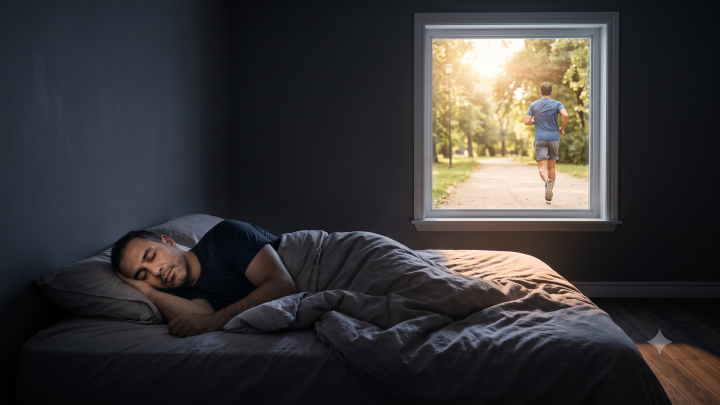
Deep Sleep and Exercise

An Inseparable Relationship Between Mind and Body
In a world filled with daily responsibilities and pressures, achieving health balance has become a challenge requiring planning and commitment. Nevertheless, deep sleep and exercise are two fundamental pillars of this balance. But what is the true link between them? And how can each affect the other to improve your mental and physical wellbeing?
In this article, we will explore the close relationship between sleep and exercise, and how to integrate them into your daily routine to achieve a more balanced and healthy life.
How Does Exercise Affect Sleep Quality?
Exercise as a Means to Stimulate Deep Sleep
Regular exercise helps reduce levels of stress hormones like cortisol, preparing the body to enter deep sleep stages.
Research indicates that regular aerobic exercise can enhance sleep quality, including increasing sleep depth. For example, a study published in Springer Nature showed that participants who engaged in moderate-intensity aerobic exercise experienced improvements in sleep quality, including an increase in the time spent in deep sleep stages.
Additionally, the Sleep Foundation suggests that regular aerobic exercise can help individuals fall asleep faster and spend more time in deep sleep, the most restorative stage for the body.
Regulating the Biological Clock
Exercise stimulates the secretion of melatonin, the hormone responsible for regulating sleep. Exercising in the early morning or before sunset helps improve sleep timing and quality.
Reducing Sleep Disorders
Low-to-moderate intensity exercises like yoga or walking help reduce sleep disorders such as insomnia and improve relaxation.
If exercise boosts sleep quality, how can deep sleep, in turn, improve your athletic performance? Let’s explore that.
How Does Deep Sleep Affect Athletic Performance?
Enhancing Muscle Recovery
During deep sleep stages, the body releases Growth Hormone, which helps repair muscles and build damaged tissues after strenuous workouts.
According to a research article published in the journal Frontiers in Sports and Active Living, athletes who sleep for 8 hours or more reported better moods, higher energy levels, better training quality, and were less likely to get injured or sick.
Improving Physical Performance
Deep sleep improves movement coordination and increases body energy, which directly reflects on athletic performance. Adequate sleep boosts endurance and reduces feelings of fatigue during workouts.
Supporting Mental Focus
Good sleep improves brain functions such as memory and reaction times, helping you make better decisions during training or competitions.
If sleep and exercise boost each other’s performance, how can they be effectively integrated into your daily routine?
How to Integrate Deep Sleep and Exercise for Health Balance
Timing of Workouts Matters
Choose a suitable time for exercise so it doesn’t affect your sleep. Morning or afternoon workouts are best for stimulating nighttime sleep.
Avoid strenuous exercise right before bed, as it may increase physical and mental alertness.
Practicing Calming Exercises Before Bed
Yoga, meditation, or breathing exercises help calm the mind and body, facilitating entry into deep sleep stages. Simple stretching exercises are ideal for inducing relaxation.
Building a Daily Sleep Routine
Make sure to sleep and wake up at the same time every day to regulate your biological clock.
Avoid electronic screens at least an hour before bed, as they negatively affect melatonin secretion.
Eating Foods That Support Sleep and Exercise
Foods rich in magnesium, such as almonds and avocados, help with relaxation and improve sleep quality. Complex carbohydrates, like oats and sweet potatoes, provide the body with energy and improve recovery.
Integrating exercise and deep sleep into your daily routine might seem like a challenge, but the benefits are worth the effort. What about the long-term positive effects of these healthy habits?
Long-Term Benefits of Deep Sleep and Exercise
Reducing the Risk of Chronic Diseases
Good sleep and regular exercise reduce the risk of diseases such as diabetes, obesity, and heart disease.
According to the official website of the Centers for Disease Control and Prevention (CDC), sleep deprivation is linked to various health problems, including heart disease, type 2 diabetes, and obesity. Adequate sleep is considered essential for maintaining heart health and metabolic functions.
Improving Mental Wellbeing
Exercise and sleep improve mood, reduce stress, and enhance feelings of happiness and psychological comfort.
Increasing Longevity and Quality of Life
The balance between deep sleep and physical activity not only adds years to your life but also improves the overall quality of life.
Long-term benefits are a strong motivation to adopt healthy habits, but how do you start your journey toward this balance?
Practical Steps to Achieve Balance Between Deep Sleep and Exercise
Start with Small Steps
Begin by adding 10 minutes of daily exercise to your schedule.
Set a fixed bedtime and stick to it.
Invest in a Comfortable Sleep Environment
Use a comfortable pillow and mattress.
Keep your bedroom dark and quiet.
Track Your Progress
Use apps like Fitbit or MyFitnessPal to track your sleep quality and athletic performance.
Set gradual goals to improve both aspects.
The journey toward balance is not a race; it is a continuous process requiring commitment and patience.
Balance is the Secret to Health Success
Deep sleep and exercise are indispensable partners for achieving health balance. Each supports and enhances the benefits of the other, contributing to improving your mental and physical wellbeing and your daily performance. Start today with a small step toward balance, because your life is worth the investment.
Start now: Practice light exercise in the evening, and make sure to sleep at a fixed time. Watch how you feel the change in your body and mind within a few days!