
The Art of Controlling Emotions
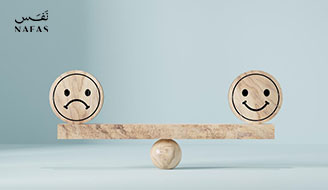
The Mind and Emotion in a Constant Race
Deep within every human being, the conflict between reason and emotion manifests. While the mind seeks logic and order, emotion moves without restraint, influenced by situations and pressures. But what if we could direct this innate interaction between mind and emotion to become a driving force rather than a burden? Controlling emotions is not just a skill to be acquired; it is a philosophy practiced daily. In this article, we will dive deep into understanding the dimensions of this art and its impact on our personal and professional lives.
Emotions: Latent Energy Needing Direction
Why Do Emotions Arise? Emotions are not just random reactions; they are signals our bodies send to alert us to something important. When you feel anger, your body motivates you to defend yourself. When you feel sadness, it is evidence that you have lost something of value. As the philosophy of Aristotle suggests: “Emotions are not our enemies, but tools that need direction.” Emotions Under Pressure: A Double-Edged Sword Under pressure, emotions tend to be more intense, making them difficult to handle. Example: When facing harsh criticism at work, the natural reaction might be to defend yourself or feel insulted. However, often, this response is unproductive. Daily stress can increase emotional responses, which may lead to less rational decision-making. According to a study published in the journal Psychoneuroendocrinology, acute stress affects rational and moral decision-making, where individuals suffering from stress are more likely to make decisions based on instinctive emotional responses rather than logical rational thinking. If emotions are energy that needs direction, how can we manage them consciously instead of letting them control us?
The Philosophy of Controlling Emotions: A Mix of Science and Self-Awareness
First: Understanding the Source of the Emotion Emotion always starts with a thought or interpretation of the situation. Example: If you feel neglected in a business meeting, the negative emotion stems from your belief that you are unappreciated. Step: Pause for a moment and ask yourself: What is triggering this emotion? Is there another interpretation? Second: The Mind-Body Impact on Emotion There is an inseparable relationship between the mind and the body. When the mind feels stress, the body responds by releasing cortisol, increasing heart rate and stimulating negative emotions. Therefore, controlling emotions starts with calming the body using breathing and meditation techniques. Research indicates that controlling physical stress through relaxation techniques can significantly reduce the intensity of negative emotions. For example, a study published in the journal Frontiers in Psychology found that participants who practiced deep diaphragmatic breathing experienced a significant decrease in negative affect and an increase in sustained attention after 20 sessions over 8 weeks. Third: The Power of Acknowledging the Emotion Acknowledging what you feel is the beginning of control. Do not try to deny anger or anxiety; instead, admit it and tell yourself: “I feel angry right now, and that is normal.” This approach helps you reduce the impact of the emotion rather than amplifying it. Once you understand the philosophy of emotions, you can start applying practical strategies to turn this philosophy into daily actions.
Practical Strategies for Controlling Emotions
The “Emotional Mirror” Technique This technique relies on self-empathy. When you feel a strong emotion, imagine looking at yourself from the outside. What do you see? How do you describe your state? This exercise creates distance between you and the emotion, helping you deal with it objectively. Breathing as a Tool to Calm the Mind Breathing is the link between the body and the mind. When your feelings become strong, focus on your breathing. Try the Deep Breathing Technique: Inhale slowly for 4 seconds. Hold your breath for 6 seconds. Exhale slowly for 8 seconds. This technique not only calms the body but gives you a moment to think. Reframing Thoughts Instead of saying: “This criticism makes me feel incompetent,” say: “This criticism is an opportunity to understand how I can improve.” This exercise does not diminish your feelings but redirects them toward the goal. Pausing Before Responding In difficult situations, rely on the “Pause” technique. Before you respond, ask yourself: Will my response be constructive or just an expression of anger? This exercise helps you avoid impulsive decisions. These tools help you manage emotions in the moment. But how can sustainable habits be built to enhance this control over the long term?
Long-Term Habits to Build Emotional Control
Mindfulness Meditation is not just for calmness; it is a tool to enhance awareness of your feelings and thoughts. 10 minutes of daily guided meditation on the Nafas app can make a big difference in your ability to deal with stress. Research indicates that regular meditation practice can significantly reduce emotional reactivity. For example, a study published in the journal Biological Psychiatry showed that participants who underwent mindfulness meditation training reported a significant reduction in pain intensity and emotional unpleasantness, by approximately 40% and 57% respectively. Physical Activity Movement helps reduce stress and increase endorphins, the hormone responsible for improving mood. Even light exercises like walking help enhance your psychological resilience. Learning from Mistakes Do not be afraid to step back and re-evaluate your past situations. Ask yourself: How did I handle these feelings? And what can I do better in the future? Creating a Support Network Talk to your friends or family about your feelings. Social support is one of the strongest factors enhancing mental wellbeing. Adopting these habits makes controlling emotions part of your lifestyle, not just a temporary reaction.
How Do You Know You Are Controlling Your Emotions Better?
Observing Improvement in Your Relationships: Personal and professional relationships improve when you can manage your emotions. Do you feel less confrontational with others? Reducing Impulsive Moments: Have you become less prone to impulsive responses? This is a strong indicator of your progress. Increasing Psychological Comfort: Do you feel calmer and more balanced in the face of daily challenges?
Emotion is a Power When Directed Well
Controlling emotions is not a goal; it is a journey that requires patience and practice. When you learn how to manage your feelings, you not only improve your personal life but become more influential and effective in all aspects of your life. Choose one tool from this article and apply it today in a difficult situation. Over time, you will discover that controlling your feelings is the first step to success.