Partner with Your Child in the Journey of Building Their Identity
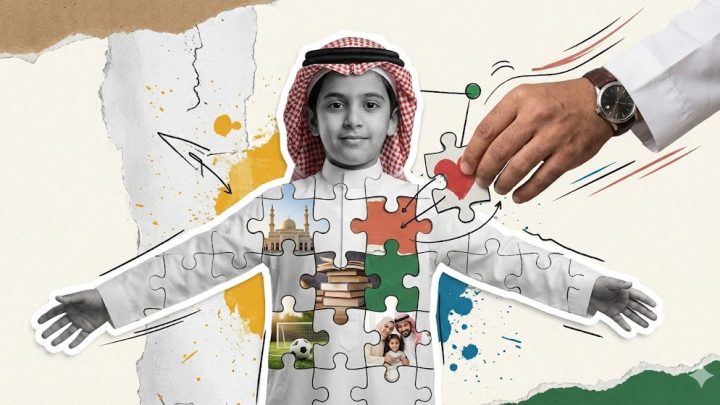
Middle childhood (ages 9–12) is not just a bridge between being a toddler and a teenager; it is a pivotal chapter in shaping who your child will become. During these years, the foundation of their identity is laid.
You might notice your child asking deep questions: Who am I? What do I love? What makes me different? How do people see me? These questions mark the beginning of their maturity and their quest for a separate identity.
However, this journey isn’t always smooth. Children often feel “wobbly” or unsure of who they are, leading to low self-confidence. This is where your role as a parent—alongside the school—becomes crucial. Helping them build a balanced, positive identity now is their best protection against future psychological and life hurdles.
What Does “Identity Formation” Mean for Kids?
Identity is simply how your child perceives themselves and what makes them unique—their values, principles, and where they fit in the world. It is the internal compass that guides how they behave and interact with others.
For a child aged 9–12, identity consists of four main pillars:
Individual Identity: Feeling independent, capable of making decisions, and forming their own thoughts.
Social Identity: A sense of belonging to family, school, and friends, and knowing how to interact socially.
Moral Identity: Understanding right from wrong and adopting values like honesty, cooperation, and respect.
Future Identity: Imagining who they want to be when they grow up—dreams that are their own, not just a copy of what others want for them.
Why Is Identity Struggle Common Today?
We live in an era of rapid technological change and openness to global cultures. While beneficial, this can create an intellectual dilemma for children, leading to identity confusion due to:
Digital Overload: Children are exposed to endless content, games, and influencers. This can blur the line between reality and the virtual world, leading them to imitate online personalities rather than finding their true selves.
Weak Family Dialogue: Busy schedules and screen time often replace meaningful conversation. Without a safe space to talk, children miss out on parental guidance and may feel an emotional void.
Lack of Role Models: If children see a contradiction between what adults say and what they do, they lose their moral compass.
Peer Pressure: Bullying and comparison at school can force children to abandon their good traits just to “fit in,” shaking their confidence.
Lack of Activities: A child who doesn’t have hobbies or activities to explore their talents will struggle to understand what makes them special.
Why Identity Matters Now More Than Ever
Building a strong identity in this phase protects your child in several ways:
Mental Health Shield: Knowing their strengths and weaknesses boosts confidence, making them less prone to anxiety and depression.
Better Decisions: When a child knows what they stand for, they make choices based on their values, not peer pressure.
Healthy Relationships: A stable identity helps children set boundaries, knowing what behaviors to accept from others and what to reject.
Preparation for Adolescence: The teenage years are full of emotional storms. A child with a clear identity navigates these storms with much more stability.
How Parents Can Support Identity Formation
You are the primary guide in this journey. Here is how you can help:
Keep the Dialogue Open: Create a safe haven for your child to share their dreams and fears without judgment. Share your own experiences to bridge the gap.
Respect Their Uniqueness: Every child is different. Avoid forcing a specific personality on them. Let them express themselves in their own way.
Be a Role Model: You are their first hero. When they see you sticking to your values and principles, they learn how to build an identity based on integrity.
Encourage Hobbies: Art, sports, reading, or coding—hobbies are tools for self-discovery. They help your child realize what they love and what they are good at.
Boost Confidence: Praise their effort and small achievements, not just the final result. This validates their self-worth.
The Role of the School
Schools are partners in shaping character, not just academic centers. They support identity by:
Creating a Positive Environment: Focusing on individual growth rather than just comparison allows children to express themselves freely.
Instilling Values: Programs that teach respect, honesty, and cooperation help ground the child’s moral identity.
Extracurricular Activities: Trips, sports, and theater allow children to discover hidden talents and restore balance between study and play.
Teachers as Mentors: A teacher’s behavior influences a child’s beliefs deeply. Positive teacher-student relationships are vital.
Combating Bullying: A strict stance against bullying protects the child’s psychological safety, ensuring they don’t hide their true selves out of fear.
Final Thoughts
The journey of forming an identity in middle childhood is the cornerstone of a bright future. By being aware, present, and supportive, you and the school can help your child build a balanced identity. This gives them the confidence to stand tall, protects them from psychological struggles, and prepares them to face the world with resilience.