Prolonged Sitting
In an era increasingly reliant on technology and office work, prolonged sitting has become a part of our daily lives. Whether you spend long hours in front of a computer or watching TV at the end of an exhausting workday, this lifestyle can leave serious health consequences. But don’t worry; this article offers you a deep understanding of the dangers of prolonged sitting and practical solutions to avoid its negative effects and maintain your health.
Why is Prolonged Sitting Dangerous for Your Health?
1. Physical Effects
Back and Neck Pain: Sitting for long periods with poor posture places pressure on the spine, leading to chronic back and neck pain.
Muscle Weakness: When we sit for extended periods, muscle usage decreases, leading to weakness over time, especially in the abdominal and leg muscles.
Poor Circulation: Extended sitting reduces blood flow to the limbs, which may lead to leg swelling and an increased risk of blood clots.
2. Metabolic Effects
Weight Gain and Obesity: Prolonged sitting reduces the rate at which calories are burned, increasing the risk of body fat accumulation.
Increased Risk of Chronic Diseases: Sitting for long periods is linked to a higher risk of heart disease and Type 2 diabetes. A systematic review and analysis published in the journal Diabetologia found that significant time spent in sedentary behaviors is associated with an increased risk of diabetes, cardiovascular disease, and mortality.
3. Psychological Effects
Increased Anxiety and Depression: A sedentary lifestyle may negatively affect mental health. Prolonged sitting is linked to negative effects on mood and increased anxiety. A study published in the Taipei Times indicated that sitting for extended periods, especially while working on a computer, can lead to feelings of physical discomfort and the accumulation of negative emotions, including anxiety and depression. This is partly because prolonged inactivity reduces the secretion of endorphins, the neurotransmitters that promote a sense of wellbeing. Therefore, engaging in regular physical activity, even for short periods throughout the day, can stimulate endorphin production, helping to alleviate mood swings and anxiety.
Given these risks, how can we protect ourselves? Let’s explore practical solutions.
Practical Solutions to Avoid the Effects of Prolonged Sitting
1. Practice Regular Physical Activity
The 30-Minute Rule: Stand up and move for two minutes every half hour. This stimulates blood circulation and reduces the pressure of continuous sitting.
Simple Desk Exercises:
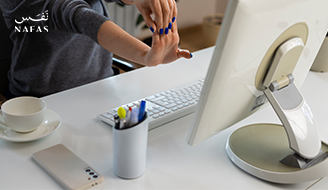
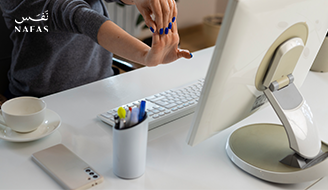
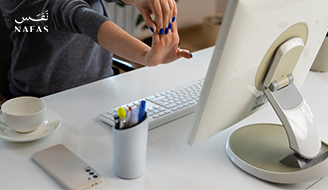
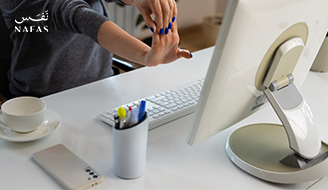
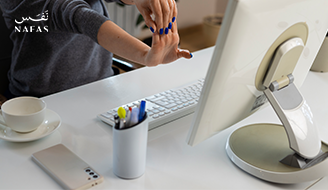
Neck and shoulder stretches.
Leg lifts while sitting to strengthen muscles and stimulate circulation.
2. Improve Seating Posture
Use an Ergonomic Chair: Choose a chair that supports your lower back and keeps your spine straight.
Adjust the Screen: Ensure the screen is at eye level to reduce pressure on the neck.
Use a Small Cushion: Place a cushion behind your lower back for extra support.
3. Change Your Work Style
Walking Meetings: Try organizing meetings while walking instead of sitting for long periods in conference rooms.
4. Integrate Physical Activity Into Your Day
Walk During Calls: Instead of sitting during phone calls, walk around to stimulate circulation.
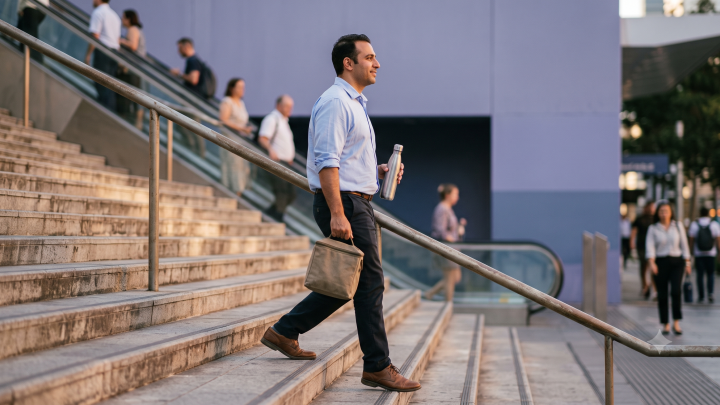
Choose Stairs Over the Elevator: This simple change can add daily physical activity that helps reduce the effects of sitting.
Improving seating posture and exercising are not enough on their own, so let’s look at lifestyle changes that can make a lasting difference.
How Can Lifestyle Changes Limit the Damage of Prolonged Sitting?
Set Daily Movement Goals
Set a daily goal of walking 10,000 steps. Using tracking devices like smartwatches can help you monitor your progress.
Dedicate Time for Exercise
Practice cardio exercises like running or cycling for 30 minutes daily.
Strength and resistance training, such as weightlifting, helps improve muscle strength and reduce weakness caused by prolonged sitting.
Maintain Hydration
Drinking water regularly motivates you to get up frequently to refill your water bottle or visit the restroom, adding extra movement to your day.
With these changes in your lifestyle, you can control the negative effects of prolonged sitting and make your day more active and healthy.
In the end, prolonged sitting might seem unavoidable in our daily lives, but it is not a barrier to improving your health and productivity. By following the mentioned tips, you can reduce its negative effects and enjoy a more active and balanced life.
Start now: Choose one of the previous tips and apply it today, and notice the difference in your health and energy level. Share your experience with us and inspire those around you to take positive steps!