Understanding Bullying
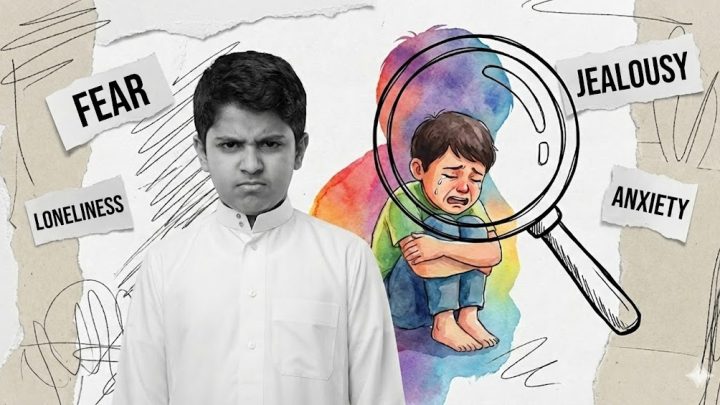
Between the ages of 9 and 12, children go through a significant developmental leap physically, psychologically, and mentally. As they enter middle childhood, peer relationships become central to their lives. They start caring deeply about their appearance, fitting in, and building a social circle.
During this phase, friends and classmates play a huge role in a child’s sense of belonging. These relationships can build their character and confidence—or, sadly, destroy it.
One of the biggest threats during this time is bullying. Whether your child is the victim or the one doing the bullying, understanding the “why” behind the behavior is the first step to stopping it. Bullying isn’t just teasing; it is aggressive, repetitive behavior involving an imbalance of power, often driven by hidden psychological motives.
What Drives a Child to Bully? (Ages 9–12)
Bullying doesn’t happen in a vacuum. A child doesn’t wake up deciding to be mean just for fun. Often, bullying is a mask for deeper insecurities or needs. Here are the common drivers:
The Desire for Control: Some children want to feel powerful and “grown-up.” They use bullying to assert dominance over others, believing this makes them leaders in their social group.
Seeking Attention: If a child feels invisible at home or among peers, they may act out. To them, negative attention feels better than no attention at all.
Learned Behavior: Children mimic what they see. If they witness aggression at home, on TV, or online without consequences, they may believe it is normal and acceptable.
Hiding Insecurity: Bullying can be a defense mechanism. A child with low self-esteem might bully others to hide their own weaknesses or flaws, trying to look “tough” to deflect attention from themselves.
Family Stress: Problems at home—like conflict or neglect—can fill a child with anger. They may release this pent-up frustration by hurting others at school.
Social Status: At this age, the desire to be “cool” or accepted by a popular group is strong. Some kids bully to fit in or to avoid becoming victims themselves.
Lack of Empathy: Some children struggle to control their impulses or understand how others feel. They need guidance to learn emotional regulation and compassion.
The Impact of Bullying
Bullying leaves deep scars on everyone involved—not just the victim.
On the Victim:
Shattered Confidence: Constant harassment destroys self-esteem, leading to loneliness and shame.
Mental Health Risks: Victims are at high risk for anxiety, depression, and academic decline.
Physical Symptoms: Stress often manifests as sleep problems, loss of appetite, or unexplained aches.
On the Bully:
Future Risks: If the behavior isn’t corrected, the bully is likely to develop long-term behavioral issues, struggle with relationships, and lack empathy as an adult.
How Parents Can Intervene
You play a crucial role in spotting and stopping bullying.
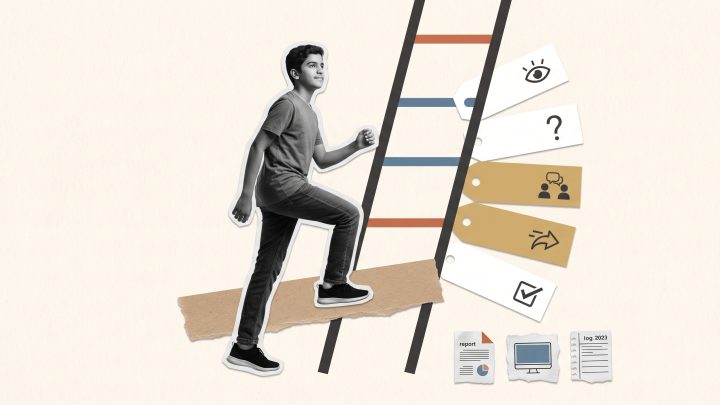
Observe Changes: Watch your child closely. Are they suddenly aggressive? Or unusually withdrawn? Mood swings and complaints about friends are red flags.
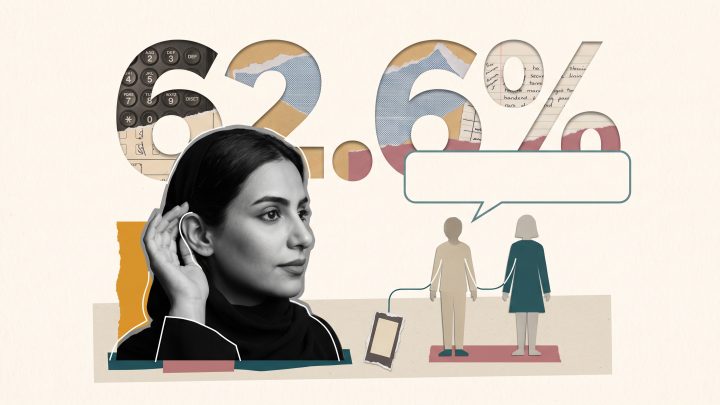
Keep the Dialogue Open: Listen without judgment. Create a safe space where they can talk about their feelings. Ask about their friends to understand the social dynamics they face.
Teach Empathy: Explain that words have power. Help them understand that every action has a consequence on another person’s feelings.
Collaborate with the School: Bullying often happens out of your sight. Maintain regular contact with teachers to monitor behavior and address issues together.
Seek Professional Help: If the impact is severe (intense fear, depression, or persistent aggression), a therapist can provide the necessary support for both the victim and the bully.
Boost Confidence: Encourage hobbies like sports or art. Achieving success in activities builds genuine confidence, reducing the need for validation through negative behavior.
The Role of the School
Schools must be safe havens, not battlegrounds.
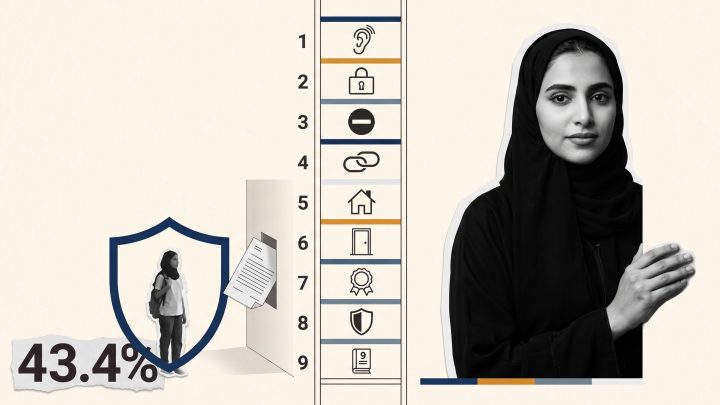
Clear Zero-Tolerance Policy: Schools must have strict rules against bullying, clearly explaining the consequences to all students.
Create a Supportive Environment: Teachers should model respect and kindness. Supervision in “hotspots” like playgrounds and hallways is essential.
Educational Programs: Workshops on empathy, conflict resolution, and emotional management help children learn healthy ways to express themselves.
Immediate Intervention: When bullying occurs, educators must act fast—not just to punish, but to understand the root cause and support both students involved.
Empower Bystanders: Encourage students to speak up. Teaching kids to support each other creates a culture where bullying cannot thrive.
Final Thoughts
Bullying is harmful, but it is not unsolvable. By understanding the true motives behind it, we can treat the root cause, not just the symptoms.
Children aged 9–12 are at a social crossroads. It is our responsibility—parents and schools alike—to guide them toward respect and empathy. When a child knows they are supported and learns that kindness is a strength, we save them from the cycle of bullying and build a generation that is resilient, compassionate, and socially healthy.