
Meditation: The Secret Weapon for Improving Your Mental Wellbeing
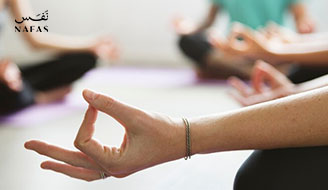
The Secret Weapon for Improving Your Mental Wellbeing
In a world getting busier and more stressful by the day, finding mental peace has become a necessity, not a luxury. Meditation, considered a profound spiritual practice for thousands of years, has transformed in the modern era into a scientifically studied tool for improving mental wellbeing. Research has demonstrated that meditation doesn’t just relieve stress; it amazingly enhances mental and physical performance. So, what is meditation? And how can it be your secret weapon for improving your mental health?
What is Meditation?
Meditation is a mental practice focused on calming the mind, increasing present-moment awareness, and achieving a state of inner peace. Meditation techniques vary, but they all aim to reduce distraction, focus on the present, and achieve psychological balance. According to Sara Lazar, a PhD in molecular biology, meditation leads to tangible changes in brain structure, including increased thickness in the cerebral cortex responsible for memory and decision-making.
What are the benefits of meditation that help us improve our mental wellbeing?
The Benefits of Meditation on Mental Wellbeing
Reducing Stress and Anxiety
Daily meditation reduces levels of cortisol, the primary stress hormone.
Improving Overall Mood
Practicing meditation stimulates the production of mood-regulating neurotransmitters like serotonin and dopamine, enhancing feelings of happiness and reducing symptoms of depression.
Increasing Focus and Attention
According to an article published in Science Daily regarding a study conducted at the University of North Carolina at Charlotte, meditating for just 20 minutes a day improves the ability to concentrate after only 4 days of regular practice.
Improving Sleep Quality
Meditation helps reduce insomnia by calming the mind and increasing body relaxation, leading to deeper and longer sleep.
Enhancing Psychological Resilience
People who meditate regularly show a greater ability to deal with daily pressures and difficult situations.
Now, you need to start your own journey to improve your mental health and overall mood! Are you ready?
How to Start Practicing Meditation?
1. Choose a Quiet Place
Pick a spot away from noise and disturbances. Turn off electronic devices or set them to silent mode.
2. Get into a Comfortable Position
Sit in a comfortable position while keeping your back straight. You can sit on a chair or on the floor using a small cushion to support your spine.
3. Focus on Breathing
Gently close your eyes and begin focusing on your breath. Inhale slowly through your nose, hold it for a few seconds, then exhale slowly through your nose (or mouth, if that feels more natural.
4. Eliminate Mental Distractions
If your mind wanders, don’t judge yourself. Simply bring your focus back to your breathing or the point you were focusing on.
5. Start with Short Sessions
Start with 5 to 10 minutes daily and gradually increase the duration over time.
What are the different types of meditation, how do we use them, and why? And how do we turn them into an authentic part of our daily lives?
Different Types of Meditation
Mindfulness Meditation
Focuses on moment-to-moment awareness of feelings, thoughts, and physical sensations without judgment. It is widely used in psychotherapy to alleviate anxiety and depression.
Guided Meditation
Relies on audio instructions that help you relax and focus. Ideal for beginners who find it difficult to meditate alone.
Movement Meditation
Includes exercises like yoga or meditative walking, where the focus is on body movement and breathing.
Mantra Meditation
Involves repeating soothing words or phrases like “peace” or “love,” which helps calm the mind.
Transcendental Meditation
Practiced in silence using techniques that help dive into deeper levels of consciousness.
How to Make Meditation Part of Your Daily Life?
Start Your Day with Meditation: Dedicate 10 minutes in the morning before starting your day to increase your focus and prepare yourself for a productive day.
Use Assistive Apps: Apps like Nafas offer guided meditation sessions suitable for all levels and goals.
Integrate Meditation into Your Routine: You can practice meditation while walking, or even while eating a light snack, by focusing on movements and breathing.
Consistency is Key: Make meditation a daily habit, even if only for a few minutes; repetition boosts long-term benefits.
Meditation is the key that enables you to control your thoughts, calm your mind, and achieve a healthy balance in your mental and physical life. It may seem simple, but its profound impact makes it a secret weapon you should add to your day.
Why not start today? Dedicate 5 minutes to try meditation with the Nafas app, and share with us how you felt after this first experience. This might be the step you need toward a calmer and happier life!