
Meditation or Yoga: Which is Better for Stress Relief?
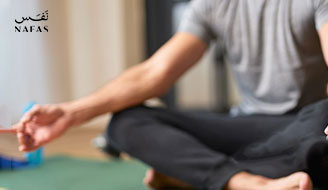
With the accelerating pace of life and increasing daily pressures, the phenomenon of psychological stress has become an important issue that must be addressed seriously. Chronic stress not only affects mood but can also lead to numerous physical and mental health problems. Therefore, many seek effective ways to relieve stress, and among these prominent methods, Mindfulness Meditation and Yoga appear as common choices. In this article, we will present the benefits of each based on recent scientific research and compare them in the context of ease of practice and expected effects to help you make an informed decision.
Benefits of Mindfulness Meditation
Mindfulness meditation is a mental training that focuses on breathing and the present moment. Research indicates that practicing meditation regularly calms the mind and reduces stress and anxiety. According to a study published by Harvard University, a large body of research has proven that mindfulness lowers stress and anxiety levels and improves the ability to focus and remember. Research has found real changes in the brains of meditation practitioners; for example, neuroscientist Sara Lazar found that continuous meditation leads to increased cortical thickness in areas associated with memory and emotion regulation. In laboratories, clinical trials have shown the effectiveness of meditation programs in improving mental states. A randomized study on people suffering from Generalized Anxiety Disorder showed that an 8-week Mindfulness-Based Stress Reduction (MBSR) program significantly reduced anxiety symptoms, in addition to improving their stress response and increasing their positive thoughts. Similarly, a recent systematic review concluded that meditation and mindfulness programs reduce psychological distress (including anxiety and depression) with a notable effect. All these results indicate that practicing meditation gives the mind a chance to “reset” and get rid of the cycle of stressful thoughts, enhancing the feeling of mental clarity and relaxation. (You can use assistive tools like the Nafas app to start practicing mindfulness meditation easily, as the app provides guided sessions and breathing exercises that help reach a state of calm and focus within a few minutes.)
Benefits of Yoga for Mood and Mental Wellbeing
Yoga combines physical movement such as postures (asanas), deep breathing, and mental relaxation. Thus, it represents a unique coordination between the body and the mind. Medical sources indicate that this harmony yields significant benefits for mental wellbeing. According to an article in Harvard Health, yoga focuses on breathing and calming meditative principles, so it is no surprise that it leads to reducing anxiety and depression. Experts sometimes describe yoga as “weight training” for the brain; brain imaging studies have shown that regular yoga practice increases the thickness of the cerebral cortex and the hippocampus (responsible for memory), which may improve cognitive abilities and enhance the ability to deal with stress. Another important aspect is the chemical effect on the brain. Practicing yoga increases levels of GABA, a chemical known to improve mood and reduce anxiety. In a study conducted at Boston University, a group of people was assigned to practice yoga three times a week for one hour each time for 12 weeks and compared with a group practicing walking for a similar duration. The result was that those who practiced yoga recorded greater improvement in mood and a greater reduction in anxiety compared to the other group. This supports the idea that yoga exercises (for those not accustomed to them) are not just physical exercises but positively affect mental wellbeing. Additionally, a research review including 15 studies in the journal Aging and Mental Health found that yoga was among the most effective relaxation techniques in reducing depression and anxiety, and its effects were long-lasting compared to other techniques like massage or listening to music. Furthermore, experts have stated that the slow and deep breathing associated with yoga exercises activates the parasympathetic nervous system, encouraging relaxation and reducing direct stress reactions. In summary: Practicing yoga offers you a spiritual and moody calm haven with noticeable physical benefits (such as flexibility and strength), which reflects positively on mental wellbeing and emotional stability. (You can start practicing yoga daily by watching the courses available on the Nafas app, in the fitness section.)
Meditation or Yoga: A General Comparison
We can look at both meditation and yoga from several angles to help you choose the appropriate one: Expected Results on Mind and Body Meditation: Tends to calm the mind directly, teaching you attention to the present moment and thought management, leading to reduced anxiety and psychological pressure. Practitioners have recorded positive changes in brain areas responsible for emotional regulation and memory. Yoga: Combines movement and relaxation. It improves mood by lowering stress hormones and increasing the secretion of happiness hormones (such as dopamine and endorphins), while also enhancing physical fitness (increasing strength and flexibility). Practically, this means yoga helps you feel physically active with psychological relaxation, while meditation focuses on internal mental clarity even without the need for significant movement. Ease of Practice and Suitability for the Work Environment Meditation: Does not require special tools or large space; it can be practiced during a short break in the office or even while sitting for a few minutes. Dedicated meditation apps (like Nafas) can be used to organize quick sessions that help restore focus during the workday. Yoga: May require free space to perform some movements, but there are simplified versions (such as light desk exercises or using the office chair for deep breathing, which you can watch on the Nafas app) designed specifically to suit the work environment. In fact, research indicates that incorporating yoga and meditation into the workday raises mood and reduces cortisol (stress hormone) secretion among employees. For example, a review showed that yoga programs offered in workplaces lead to a significant decrease in stress levels among employees compared to no intervention. Time and Commitment Required Meditation: Flexible meditation does not need much time to enter the daily routine; even short sessions of 5–10 minutes daily are beneficial and can be increased gradually. Studies have shown that commitment to a specific program for months (like an 8-week mindfulness meditation program) leads to tangible benefits in reducing anxiety. Yoga: Usually requires more regular commitment. Traditional yoga sessions typically last 30–60 minutes, and some may suffice with a session or two per week to start feeling physical and psychological benefits. However, you are not required to engage in long programs from the start; even some simple yoga poses that take a few minutes daily can contribute to physical relaxation and stress relief.
Conclusion
Research has concluded that both mindfulness meditation and yoga achieve proven scientific benefits in relieving stress and improving mental wellbeing. There is no “absolute best” between them; the choice depends on your personal preferences and ability to commit. Those who love movement and physical exercise might find a double pleasure in Yoga (muscular and psychological). Meditation might suit those seeking immediate mental calm without physical activity. Sometimes, the best approach is to combine them; for example, a short meditation session in the morning followed by light yoga exercises in the evening. Ultimately, both paths enhance self-awareness and psychological resilience, and the most suitable choice for you is the one that combines comfort with your schedule. Follow what suits your lifestyle, and you will gradually notice positive effects in relieving stress and improving your mental wellbeing.