

Bridging Perspectives: Understanding Generational Dynamics at Work
Insights on how age groups shape communication and work styles
Executive Summary
This report explores the generational differences in the workplace and their impact on communication, collaboration, and performance. The presence of multiple generations in the workplace brings diverse perspectives and work expectations shaped by societal, technological, and economic changes. These differences, while enriching, can create challenges in communication, motivation, and work styles.
The report highlights key generational characteristics, focusing on communication preferences, motivational factors, and approaches to employee engagement. Older employees often prefer face-to-face or formal communication, value job security, and seek career stability. In contrast, younger employees lean toward informal communication, prioritize work-life balance, and are motivated by opportunities for learning and development.
The report recommends strategies for managing multi-generational teams, such as fostering open communication, promoting mentorship, and adapting management styles to individual needs. It also suggests creating flexible work environments that accommodate different communication preferences and work styles, ensuring a cohesive and productive workplace.
Organizations that understand and effectively manage generational dynamics can benefit from enhanced employee engagement, improved collaboration, and increased innovation. By addressing the specific needs of different age groups, organizations can create a more inclusive and harmonious work environment.
Introduction
Definition and Scope of Generational Differences
Different Generational Categories
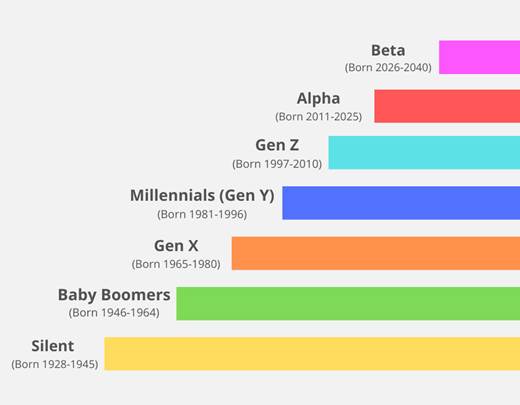 Generational differences in the workplace refer to the diverse attitudes, behaviors, and work expectations shaped by the era in which individuals grew up and their lived experiences. These differences are influenced by various factors, such as advancements in technology, societal changes, and shifting economic conditions, which affect how different age groups view their careers, leadership, and professional growth.
In today’s work environment, employees of different ages bring unique perspectives and approaches to their roles, leading to a rich yet complex dynamic. Some may prioritize long-term career stability, while others might seek flexibility and immediate impact in their roles. This variation can influence teamwork, communication styles, technology usage, and approaches to work-life balance.
Understanding and addressing these differences is crucial for creating a harmonious and productive workplace. The scope of this report is to examine these differences in depth, exploring how they impact workplace culture, collaboration, and performance. It will also offer strategies to manage these differences effectively and create an inclusive environment where individuals from various backgrounds can thrive.
Importance of Understanding Generational Dynamics in the Workplace
- Increased Employee Engagement: By addressing the specific needs and preferences of different groups, organizations can foster more engaged employees. Employees feel heard, valued, and supported, leading to better retention and overall satisfaction.
- Enhanced Collaboration: With better awareness of the differences in working styles and communication preferences, teams can collaborate more effectively. This understanding reduces friction, improves teamwork, and encourages the sharing of diverse perspectives.
- Innovation: A workplace with individuals from different age groups often benefits from varied perspectives, which can lead to more creative solutions. Different viewpoints can complement each other, driving innovation and helping organizations adapt to changes.
- Talent Management: Organizations can use insights from generational dynamics to optimize recruitment, retention, and professional development strategies. Tailoring training and career advancement opportunities to the preferences of different age groups ensures that all employees remain motivated and invested in their roles.
- Adaptability: Understanding generational dynamics prepares an organization to navigate changes in technology, culture, and the economy. This flexibility is crucial in industries that evolve quickly, as employees of different ages can learn from each other and adapt together.
Statistics on Generational Dynamics in the Workplace
Research on generational differences in the workplace has highlighted varying attitudes, behaviors, and preferences across different age groups. These findings provide insights into how generational dynamics influence workplace outcomes. A study by LiveCareer involving over 1,000 participants found that 89% of employees view age diversity positively, with many believing that different age groups can learn from each other. However, 78% of respondents also acknowledged that age diversity could sometimes lead to conflicts within the workplace. Additionally, a significant proportion of employees (81%) reported discomfort working under younger supervisors, revealing a potential area for tension in age-diverse teams.
One significant study showed differences in work values, such as the importance of extrinsic and intrinsic rewards. For example, newer generations tend to place more emphasis on extrinsic rewards like salary and job security, while earlier generations prioritize intrinsic rewards like job satisfaction and autonomy. Krahn and Galambos (2014) found that younger workers value extrinsic rewards more than their older counterparts, who focus more on intrinsic fulfillment in their roles.
Another study found that nearly 60% of HR professionals in large organizations reported witnessing generational clashes in the workplace. These clashes often stem from differing values, expectations, and communication preferences across age groups. In smaller and medium-sized companies, this figure dropped to 32%, indicating that while the issue is pervasive, it might be more pronounced in larger firms.
Most Important Results
- Generational Diversity:
- 89% of participants believe that generational diversity in the workplace contributes to a more enriching and innovative work environment. Older age groups (31–60 years) were more supportive of the idea that generational diversity fosters collaboration and inclusivity compared to younger age groups (20–30 years).
- There is near-consensus among older age groups on the importance of generational diversity in creating a dynamic work environment, while 24% of the younger group expressed more neutral or differing views on these benefits.
- Age and Competence:
- 52% of younger employees (20–30 years) disagree with the notion that age is linked to competence, whereas 70% of the older age group (40–60 years) believe that age and experience are directly associated with work competence. This disparity highlights a clear generational gap in perceptions of competence.
- Older generations view the experience gained with age as leading to better professional decisions and positively influencing performance.
- Communication Preferences:
- 60% of older employees (40 years and above) prefer email or in-person meetings for communication, while 65% of younger employees (20–30 years) favor using instant messaging applications. This result underscores a significant difference in communication preferences between generations, which may lead to misunderstandings in multi-generational workplaces.
- Career Development Opportunities:
- 48% of younger employees feel that career development opportunities in their organizations are unequal, while 72% of the older group believe these opportunities are fairly accessible to all age groups. This divergence in perceptions could pose challenges in retaining younger employees, who often view their professional growth as limited.
- Intergenerational Learning:
- 85% of employees across all age groups emphasize the importance of intergenerational learning in enhancing team performance.
- Younger employees see mentorship from older colleagues as an opportunity to develop their skills, while older employees regard learning about modern technologies from younger colleagues as an essential part of the workplace.
Conclusions and Recommendations:
- The study highlights that generational diversity has a positive impact on the workplace environment. However, organizations need to focus on understanding and addressing differences in perceptions regarding competence and communication.
- To improve collaboration, it is recommended to implement mentorship programs that encourage knowledge exchange across generations and adopt diverse communication tools to meet the needs of different age groups.
Labayh’s Research
In September, Labayh launched a comprehensive survey aimed at exploring generational dynamics in workplaces in the region. The survey received 242 responses, providing a diverse set of insights into how different age groups perceive key aspects of their work environment, including communication, competence, and career development opportunities. This study is an important step in understanding how organizations can foster better intergenerational collaboration and inclusivity. Labayh extends sincere thanks to everyone who participated in the survey, contributing valuable perspectives that will inform future organizational practices and research in this area.
Main findings
The overall trend across all responses indicates a strong consensus on several key aspects of workplace dynamics. Employees generally hold positive views about generational diversity in their organizations, with most agreeing that it contributes to a more enriching work environment.
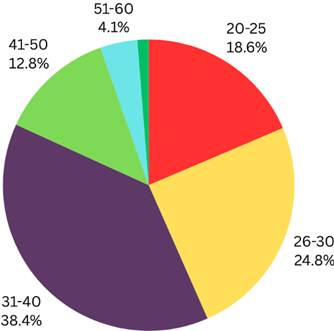
The research sample included a diverse range of age groups, with the largest share (38.4%) in the 31-40 range, representing mid-career professionals. Early-career professionals (26-30) made up 24.8%, while younger employees (20-25) accounted for 18.6%. Those aged 41-50 represented 12.8%, with smaller groups of older employees aged 51-60 (4.1%) and over 60 (1.2%). This distribution offers insights from a variety of career stages, from entry-level to senior professionals.
Age Distribution
The analysis of generational perceptions in the workplace reveals that while there is strong support for generational diversity and intergenerational learning, there are notable differences between younger and older employees in areas such as competence, communication preferences, and career development opportunities. Older employees tend to have more strongly formed opinions and are more likely to see age as a critical factor in workplace dynamics, while younger employees exhibit more neutral or mixed responses, possibly reflecting their early career stage.
Organizations that recognize these differences and work to create inclusive environments—where communication strategies are adapted, career development is accessible to all, and intergenerational learning is prioritized—will be well-positioned to harness the benefits of a diverse workforce. By addressing the concerns of younger employees and continuing to support the perspectives of older ones, businesses can create a more cohesive and productive work environment for all.
Generational Diversity
One of the clearest patterns that emerges from the data is the overwhelming agreement across all age groups that generational diversity is viewed as something positive. Both younger employees (ages 20-30) and older employees (ages 31-60+) recognize the value that diverse age groups bring to their organizations.
Generational diversity in my organization is something positive
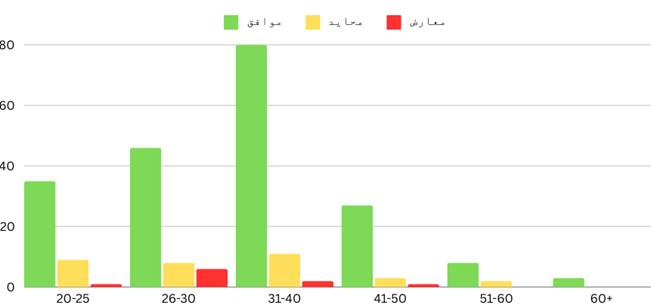
For the younger group, this belief is evident but slightly less pronounced. The data shows a small number of neutral and disagreement responses, suggesting that some younger employees may be less certain about the benefits of generational diversity. On the other hand, older employees are almost unanimous in their support for generational diversity, with significantly fewer neutral or dissenting opinions. This trend reflects the idea that more experienced employees may have had more opportunities to see the benefits of working alongside colleagues of varying ages.
This near-universal agreement highlights the importance of maintaining and promoting generational diversity within organizations, as it is recognized as a positive force that contributes to organizational success across all age groups.
Age and Competence: A Divisive Topic
The role of age in determining competence is a more divisive issue, with notable differences in perception between younger and older employees. In the younger group, responses are more mixed, with a substantial number of neutral responses. This suggests that younger employees may be less confident in linking age directly to competence, possibly because they are still early in their careers and have not yet fully formed opinions on how age correlates with professional abilities.
Age plays an important role in how competent an employee is
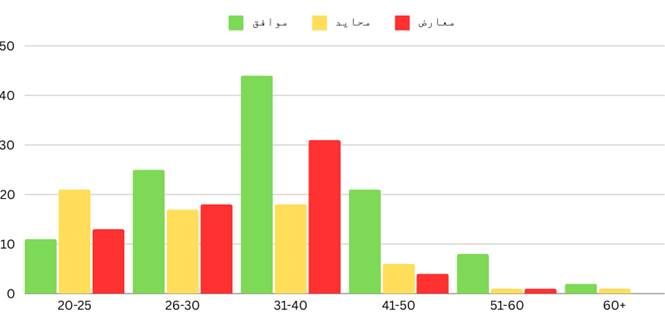
In contrast, older employees show a stronger belief that age plays a significant role in determining competence. The correlation analysis indicates that as employees age, they tend to view experience—often associated with age—as a key factor in professional capability. This could stem from the fact that older employees have likely seen how experience and time in the workplace can sharpen skills and decision-making abilities.
Generational differences can sometimes lead to conflicts within teams
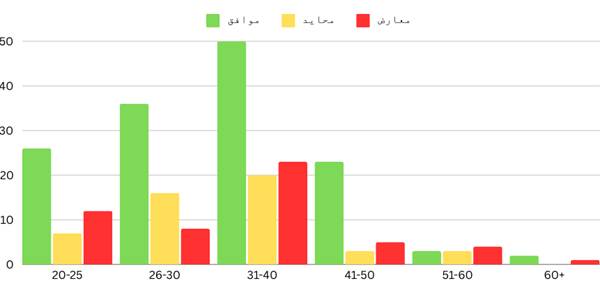
The data suggests that older employees, particularly those in leadership or more senior positions, may associate age with maturity, knowledge, and problem-solving skills. These findings imply that organizations may need to strike a balance between valuing youthful innovation and the experience that comes with age.
Communication Preferences
A strong theme that emerges across all age groups is the recognition of differences in communication preferences among generations. Both younger and older employees acknowledge that different generations tend to prefer different communication methods, but this perception is notably more pronounced among the older group.
The correlation analysis reinforces this, showing that employees who recognize generational diversity as positive are also more likely to observe differences in communication preferences. This may be because older employees, who are often in management or leadership roles, need to communicate with colleagues from a wide range of age groups and are therefore more acutely aware of how generational differences manifest in communication styles.
Learning Across Generations: A Key Opportunity
One of the most consistently positive themes across both younger and older employees is the belief that different generations can learn from each other while working together. Employees from all age groups express strong agreement with this statement, although, as seen in other areas, the older group tends to express this belief more emphatically.
Career Development: A Divided Perception
Career development opportunities present a more divided perception between younger and older employees. Younger employees, especially those in the 20-25 age group, are more likely to express neutral or negative views on whether career development opportunities in their organizations are suitable for employees of all ages. In contrast, older employees tend to view these opportunities more favorably.
Career development opportunities in my organization are suitable for employees of all ages.
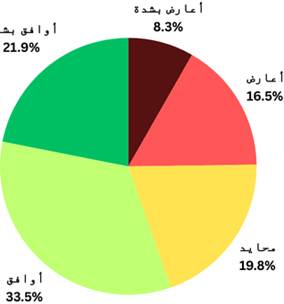
This discrepancy could indicate that younger employees feel that they face barriers to advancement or that they are not receiving the same level of support for career growth as their older counterparts. Organizations may need to consider implementing mentorship programs, training opportunities, and clear paths for advancement to address these concerns among younger employees.
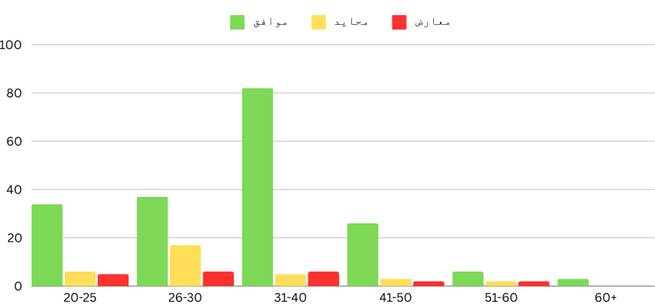
Both younger and older employees express strong agreement with the statement that they would hire people representing different generations if they were in a position to do so. This shared belief reflects the value that employees across all age groups place on diversity, not just in terms of skill sets but also in terms of age.
How much do you agree with the following statement “If I were an employer, I would hire people representing different generations”
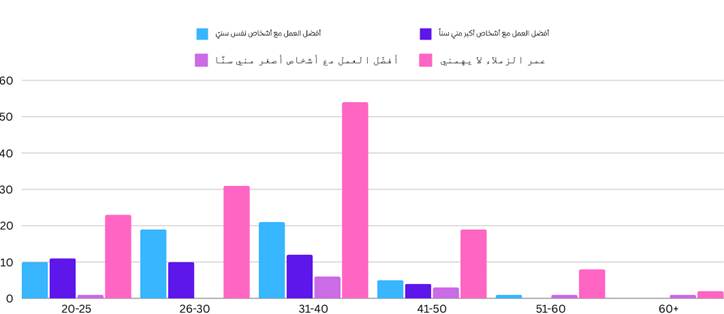
Do you prefer working with people younger than you, older, same age or it does not matter?
This research represents a preliminary exploration into generational perceptions in the workplace, serving as a foundational study for further investigation in the region. As a pilot study, the findings offer valuable insights into workplace dynamics but also highlight areas where more in-depth research is needed.
Workplace Dynamics
How Different Generations Prefer to Communicate
- Face-to-Face Communication: Employees who have been working longer tend to prefer face-to-face communication or phone calls for important discussions. They often value the personal connection and clarity that in-person or verbal communication can bring. This preference may also stem from their experience working in environments where digital communication was not as prevalent.
- Email: Email remains a popular form of communication across all age groups, especially for formal and business-related correspondence. Those who have spent a significant part of their careers in corporate environments tend to use email for documentation purposes, professional exchanges, and formal interactions. Email is often favored for its ability to provide a written record of conversations, ensuring accountability and clarity, especially for complex or ongoing projects.
- Messaging Apps and Instant Communication: In contrast, employees who have grown up with mobile technology and social media tend to lean towards faster, more informal communication methods such as messaging apps, chat platforms, or text messaging. These tools offer immediacy, which appeals to those who prefer quick feedback and real-time collaboration. This group is often comfortable with using multiple platforms—such as Slack, Microsoft Teams, or WhatsApp—for both work and social interactions. They tend to appreciate the flexibility and speed these platforms offer, which allows for more fluid, ongoing communication throughout the workday.
- Feedback Preferences: When it comes to feedback, some prefer formal, documented feedback processes, often through email or performance appraisals. Others may prefer immediate, informal feedback through messaging apps or quick face-to-face conversations. The immediacy of feedback is often crucial for those who are more accustomed to a digital-first environment, where real-time interaction is the norm.
What Motivates Each Age Group at Work
- Job Security: For employees who have spent many years working, job security often ranks high among motivators. Stability and long-term career prospects are key concerns, as these individuals may be focused on financial security and benefits, such as pensions or retirement plans. They tend to value clear career progression, loyalty from their employer, and assurances that their experience and tenure will be recognized and rewarded.
- Recognition and Career Advancement: Middle-aged employees, often at the peak of their careers, are frequently motivated by recognition and career advancement opportunities. They seek roles that allow them to demonstrate their expertise and leadership abilities. For this group, public acknowledgment of achievements, promotions, and the opportunity to lead important projects are significant drivers. The desire for further career growth, whether through upward mobility or increased responsibilities, plays a crucial role in keeping them engaged.
- Work-Life Balance: Employees in the early stages of their careers tend to prioritize work-life balance, seeking flexibility in their work schedules that allows them to manage personal interests, education, and family responsibilities. They are motivated by jobs that provide autonomy over how, when, and where they work, as well as opportunities for learning and personal development.
- Learning and Development: For those who are new to the workplace or early in their careers, opportunities for growth and development are major motivators. They tend to be driven by the potential to acquire new skills, gain mentorship, and advance quickly in their chosen career path. They often prefer roles that offer continuous learning, access to professional development resources, and exposure to new challenges that help build their expertise.
- Purpose and Meaning: Across all age groups, there is a growing emphasis on finding purpose and meaning in work. Employees increasingly want to feel that their efforts contribute to a larger goal, whether it’s within the organization or toward societal impact. This sense of purpose can be a powerful motivator, regardless of age, encouraging greater engagement and long-term commitment to their roles.
Approaches to Employee Engagement Across Age Groups
- Flexible Work Arrangements: Offering flexible work options, such as remote work, flexible hours, or compressed workweeks, can appeal to employees across different age groups. While younger employees may seek flexibility to pursue personal development or education, more experienced workers may value flexibility to balance caregiving responsibilities or transition toward retirement.
- Opportunities for Learning and Development: Professional growth is a key driver of engagement, especially for those earlier in their careers. Offering training programs, mentorship opportunities, and clear pathways for career development can boost motivation. For more experienced employees, development opportunities might focus on leadership roles, mentoring younger colleagues, or skill development in areas like new technologies.
- Recognition and Feedback: Regular recognition and constructive feedback play crucial roles in employee engagement. For employees with longer tenures, recognizing their contributions and loyalty can reinforce their commitment to the organization. For those newer to work, frequent feedback and acknowledgment of their progress help keep them motivated.
- Purpose-Driven Work: Connecting employees to a sense of purpose is essential for engagement across age groups. Aligning personal and organizational values can significantly enhance motivation. While younger employees often seek roles that align with their personal passions or societal goals, more experienced employees may be motivated by opportunities to contribute to the organization’s long-term success. Leaders should emphasize how each employee’s work contributes to broader organizational or societal objectives.
- Tailored Communication and Collaboration: Encouraging open, transparent communication across various channels helps build trust and engagement. Different age groups may prefer different communication methods, so offering multiple platforms ensures that employees feel connected. Additionally, fostering a collaborative work environment that promotes cross-age teamwork can increase engagement, as employees share their unique perspectives and learn from one another.
Common Sources of Conflict Between Age Groups in the Workplace
In a workplace with employees of different ages, conflicts can arise from differing values, communication preferences, work styles, and expectations. These differences, if not properly managed, can lead to misunderstandings, reduced productivity, and even disengagement. However, recognizing these potential sources of conflict also presents opportunities for organizations to create a more inclusive and harmonious work environment.
- Communication Styles: One of the most common sources of conflict is differing communication preferences. While some employees may prefer face-to-face meetings and formal emails, others might favor instant messaging apps or informal conversations.
- Work Ethic and Expectations: Employees from different age groups may have varied perspectives on work ethic, job commitment, and how work should be approached. Some may prioritize long hours and loyalty to the organization, while others might emphasize efficiency, flexibility, and work-life balance.
- Autonomy: Employees who take ownership of their work and are given the autonomy to make decisions tend to be more engaged and productive. Autonomy empowers employees to feel a sense of control and accountability, fostering creativity and innovation. Generational differences play a role in how autonomy is perceived and utilized; younger employees often seek more freedom to explore new ideas, while older employees may value autonomy as a means to apply their experience and expertise. Striking a balance that respects these generational perspectives can enhance engagement across the workforce, creating an environment where employees feel trusted and motivated.
- Technology Usage: Another common source of conflict stems from differing levels of comfort with technology. Employees who grew up with digital tools may adapt quickly to new technologies, while others may prefer traditional methods. This disparity can lead to frustration, particularly when one group feels pressured to keep up with technological changes or when another group feels its technological suggestions are ignored.
- Leadership and Authority Perceptions: Differences in attitudes toward leadership can also lead to conflict. Some employees may prefer a hierarchical, top-down leadership style with clear authority, while others favor a more collaborative, inclusive approach.
- Career Progression and Expectations: Conflicts can arise when employees at different stages of their careers have varying expectations around career progression. For instance, more experienced employees may feel overlooked when younger colleagues are promoted, while those newer to working may become frustrated if they feel their growth is being stunted by established hierarchies.
Benefits of Cross-Generational Collaboration
- Diverse Perspectives and Innovation: When employees from different age groups collaborate, they bring a variety of viewpoints shaped by unique experiences. This diversity fosters creativity and innovation, as team members approach problems and projects from different angles. Younger employees may contribute fresh ideas and tech-savvy approaches, while more experienced employees offer insights based on years of expertise and a deep understanding of industry trends.
- Enhanced Learning and Mentorship: Cross-generational teams provide rich opportunities for mentorship and knowledge sharing. More experienced employees can pass on valuable skills, organizational knowledge, and industry insights to their younger colleagues. In return, younger team members can help their peers adopt new technologies and introduce more modern ways of thinking.
- Broader Client Understanding: Cross-generational teams also bring a broader understanding of diverse client needs. Employees of different ages may have insights into the preferences and expectations of customers from various demographics. This diversity helps organizations tailor their services and products more effectively, leading to better customer relations and satisfaction.
Future Trends and Implications
Early Insights into the Next Generation Entering the Field
The next generation, is poised to enter the field over the coming decade. Born in the early 2010s and beyond, this group is expected to bring new challenges and opportunities to workplaces shaped by digital immersion from birth. Early insights suggest that they will enter the field with an even greater dependency on technology, possessing skills in areas such as artificial intelligence, and digital collaboration.
This generation will likely prioritize flexibility and seamless integration of technology into all aspects of work. Their exposure to constant connectivity and digital tools might create an expectation for highly adaptable, technology-driven work environments. Unlike previous generations, who experienced a gradual digital transformation, Generation Alpha will likely expect real-time collaboration tools, cloud-based platforms, and virtual workspaces as the norm from the outset. The upcoming generation might also bring its own set of challenges in the workplace such as a decreased attention span and a preference for immediate short-term impact rather than long-term planning.
Additionally, early trends suggest that this generation may place a greater emphasis on purpose-driven work. Growing up amidst global issues like economic uncertainty, they may seek employers who reflect their values and contribute positively to society. This shift in focus will have implications for how organizations attract, engage, and retain these workers, with an increased emphasis on corporate social responsibility and ethical practices.
Recommendations
For Managers
- Foster Open Communication: Encourage employees to express their communication preferences and find ways to blend different styles. Regular check-ins, using a variety of communication methods (email, instant messaging, face-to-face), can bridge gaps.
- Promote Mentorship and Cross-Age Collaboration: Establish formal and informal mentorship programs that encourage knowledge-sharing between employees of different ages. This benefits both parties—older employees pass on valuable experience while younger employees introduce new technologies and fresh perspectives.
- Adapt Management Styles: Tailor leadership approaches to different employee needs. For example, while some employees may prefer clear, structured feedback, others may thrive on more autonomy and flexible work arrangements. Being responsive to these differences can boost engagement and reduce friction.
- Encourage Lifelong Learning: Provide ongoing training and development opportunities for employees across all age groups. This helps more experienced employees adapt to new technologies while giving younger employees the chance to build skills and advance their careers.
- Inclusive Team Building: Create team-building opportunities that allow all employees to participate regardless of age or work style. Activities that emphasize collaboration and shared goals help to build trust and reduce generational tension.
For Employees
- Be Open to Learning: Regardless of age or experience, be willing to learn from colleagues of different generations. Older employees can offer valuable insights and lessons from their years of experience, while younger employees can provide fresh perspectives and introduce new technologies.
- Adapt Communication Styles: Understanding that colleagues may have different communication preferences is key to successful collaboration. Be flexible in your communication approach, adjusting to the needs of your team members—whether that’s through more frequent face-to-face discussions or quicker exchanges over instant messaging.
- Value Diverse Perspectives: Recognize that each generation has unique strengths. By appreciating and leveraging these diverse perspectives, teams can make more informed decisions and generate more innovative ideas.
- Seek and Offer Mentorship: Take advantage of mentoring opportunities, whether as a mentor or mentee. These relationships can help bridge generational divides, offering both personal and professional growth.
- Foster Inclusivity: Actively contribute to creating an inclusive environment where all voices are heard, and everyone feels valued, regardless of age. Engage in respectful dialogues, avoid stereotypes, and focus on common goals.
Some of the report's findings:
- 80%80% of 31-40 year olds agree generational diversity is positive
- 31%31% of 31-40 year olds feel that age does not play a role in how competent an employee is
- 54%54% of 31-40 year olds said they don't care about employee age when it comes to who they prefer to work with

